Emergency Services 24/7

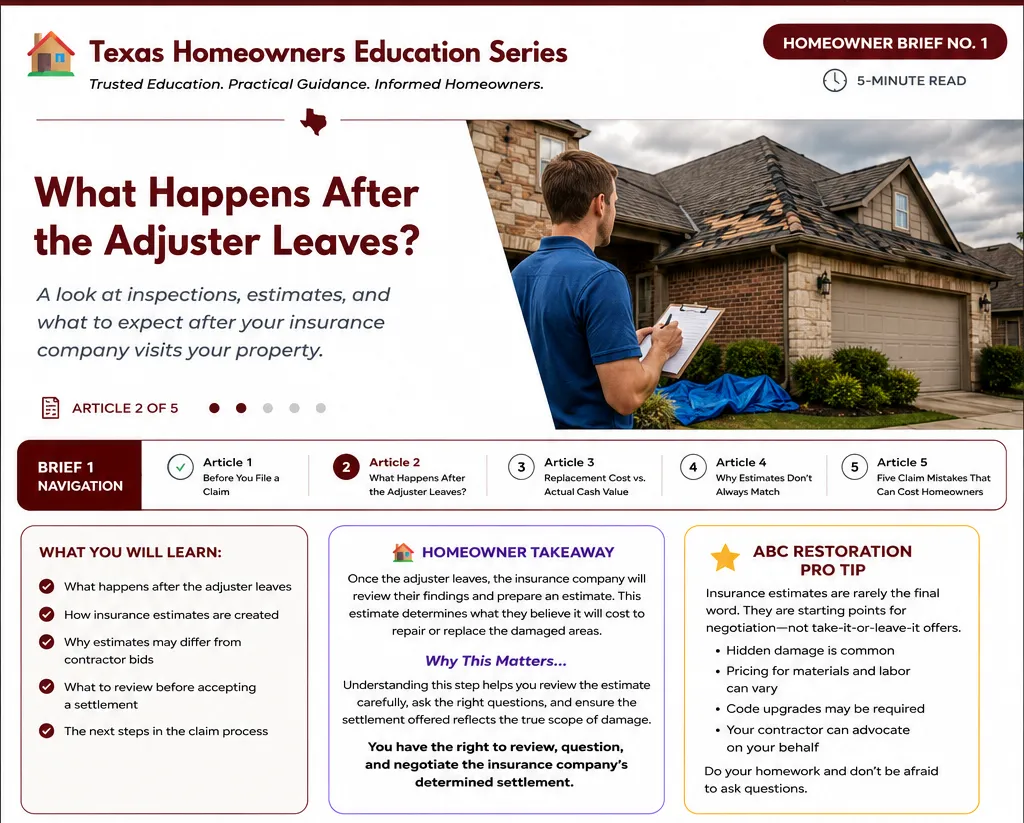
What Happens After the Adjuster Leaves?
The Adjuster Has Finished the Inspection — What Happens Now?
For many homeowners, the adjuster’s visit feels like the moment when answers should finally begin.
The damage has been documented. Questions have been asked. Photos have been taken.
Then the adjuster leaves.
Many homeowners are left wondering:
“What happens next?”
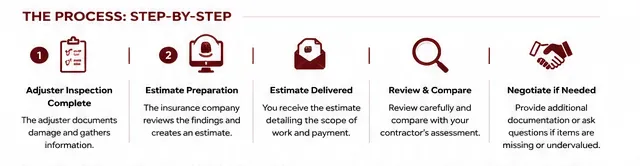
The inspection is an important step in the insurance claim process, but it is not the final step. After the inspection, your insurance company reviews the information collected, evaluates coverage, and determines the next steps for your claim.
Understanding what happens after the adjuster leaves can help you feel more prepared and know what questions to ask.
Your Claim Moves Into the Review Process
After the inspection, the adjuster submits their findings to the insurance company. The claim review process typically includes evaluating:
The reported cause of damage
Photos and documentation
The adjuster’s inspection notes
Your insurance policy coverage
The estimated cost of repairs
The purpose of this review is to determine what damage may be covered under your policy.
Remember, the adjuster’s inspection is one part of the process. The final outcome depends on the details of your policy, the documented damage, and the insurance company’s review.
Understanding Your Claim Decision
Once the review is complete, homeowners generally receive information about how the claim will move forward.
A claim may be:
Approved
The insurance company determines that covered damage exists and provides information about moving forward with repairs.
Partially Approved
Some damage may be covered while other items may require additional review, documentation, or clarification.
Not Approved
The insurance company determines that the reported damage does not fall within the coverage provided by the policy.
If you have questions about your claim decision, ask your insurance company to explain what was included, what was not included, and why.
Review What Was Included Before Repairs Begin
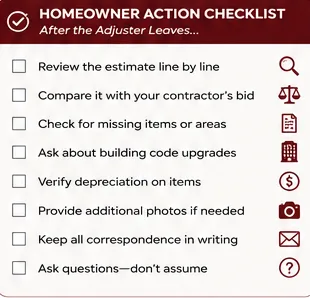
Before restoration work starts, homeowners should take time to understand the claim information they received.
Important questions include:
What damage was included in the estimate?
What repairs were approved?
What is my deductible?
Are there items I should discuss with my contractor?
What documentation should I keep?
Having a clear understanding of the approved scope helps create better communication between the homeowner, insurance company, and restoration contractor.
Where Does a Restoration Contractor Fit Into the Process?
A restoration contractor helps turn the claim information into an actual repair plan.
A qualified contractor can help homeowners:
Review the damage
Explain the necessary repairs
Identify areas that may need additional attention
Coordinate the restoration process
The goal is not just to repair visible damage — it is to restore the home properly.
This is why communication between the homeowner, insurance company, and contractor is so important throughout the process.
What If More Damage Is Discovered?
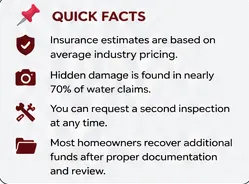
Sometimes additional damage is found after the initial inspection.
Examples may include:
Hidden damage discovered during repairs
Additional materials or labor needed
Repairs required to properly complete the restoration
When this happens, additional documentation may be provided to the insurance company for review.
Keeping detailed records, photos, and repair information can help support the restoration process.
The Next Step Is Understanding Your Claim
The adjuster leaving does not mean the process is over — it means the next phase begins.
Homeowners who understand what happens after the inspection are better prepared to ask questions, review their claim information, and make informed decisions about their repairs.
Frequently Asked Questions
Can I get my own estimate?
Yes! You have the right to get multiple estimates from licensed contractors. Give us a call (281) 999-1696. We are here to help 24/7.
Should I sign the estimate?
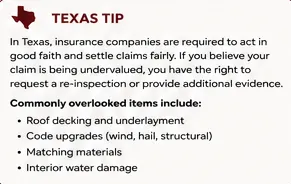
Review everything first. Signing too soon can limit your ability to negotiate.
What if something was missed?
Submit additional documentation and request the insurance company to review it.
How long do I have to respond?
There is not set deadline, but responding sooner helps prevent delays in the claim.
Did You Know?
Many homeowners believe the adjuster’s inspection is the final step before repairs begin. In reality, it is one step in a larger process that includes claim review, coverage decisions, and repair planning..
Browse All Briefs

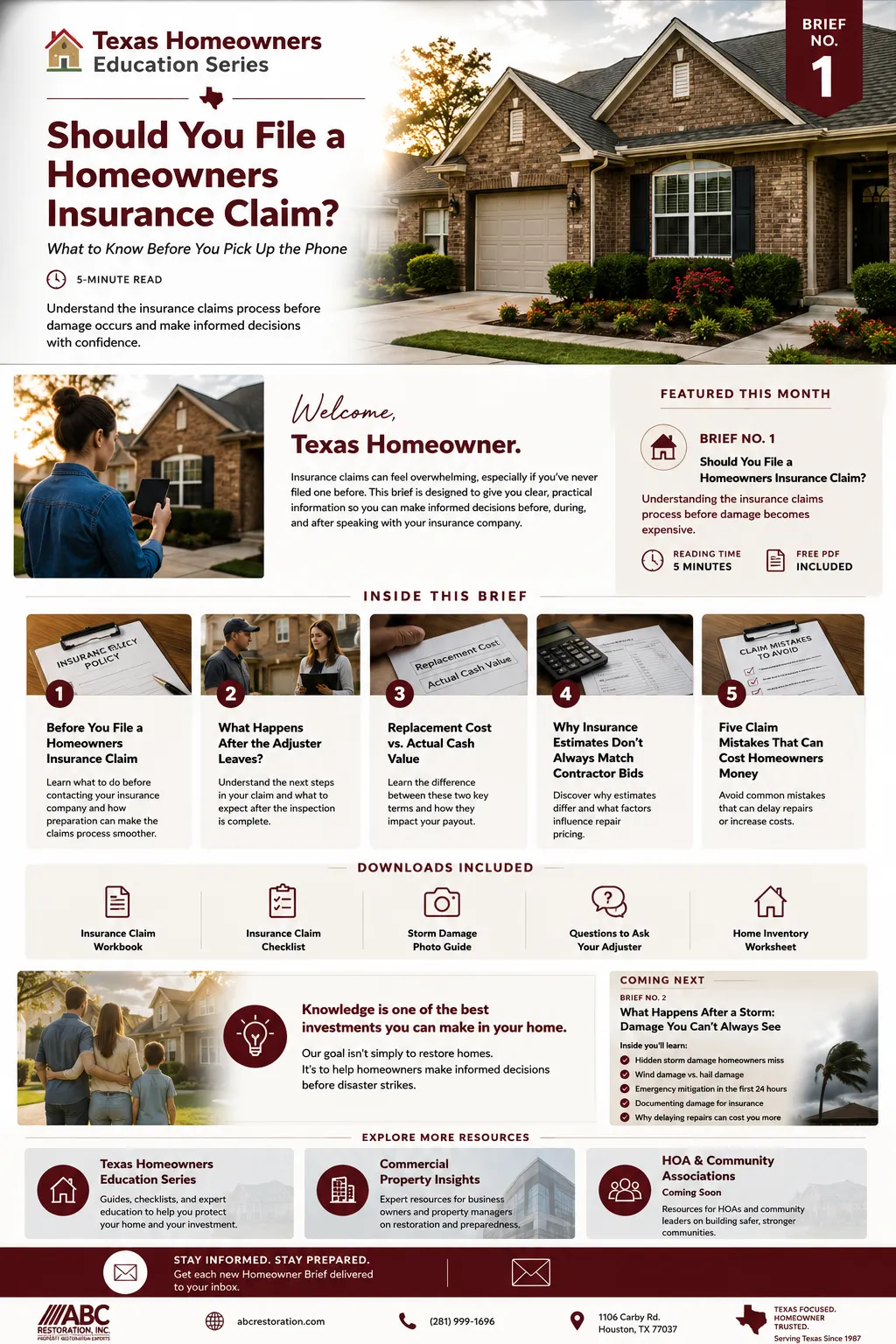
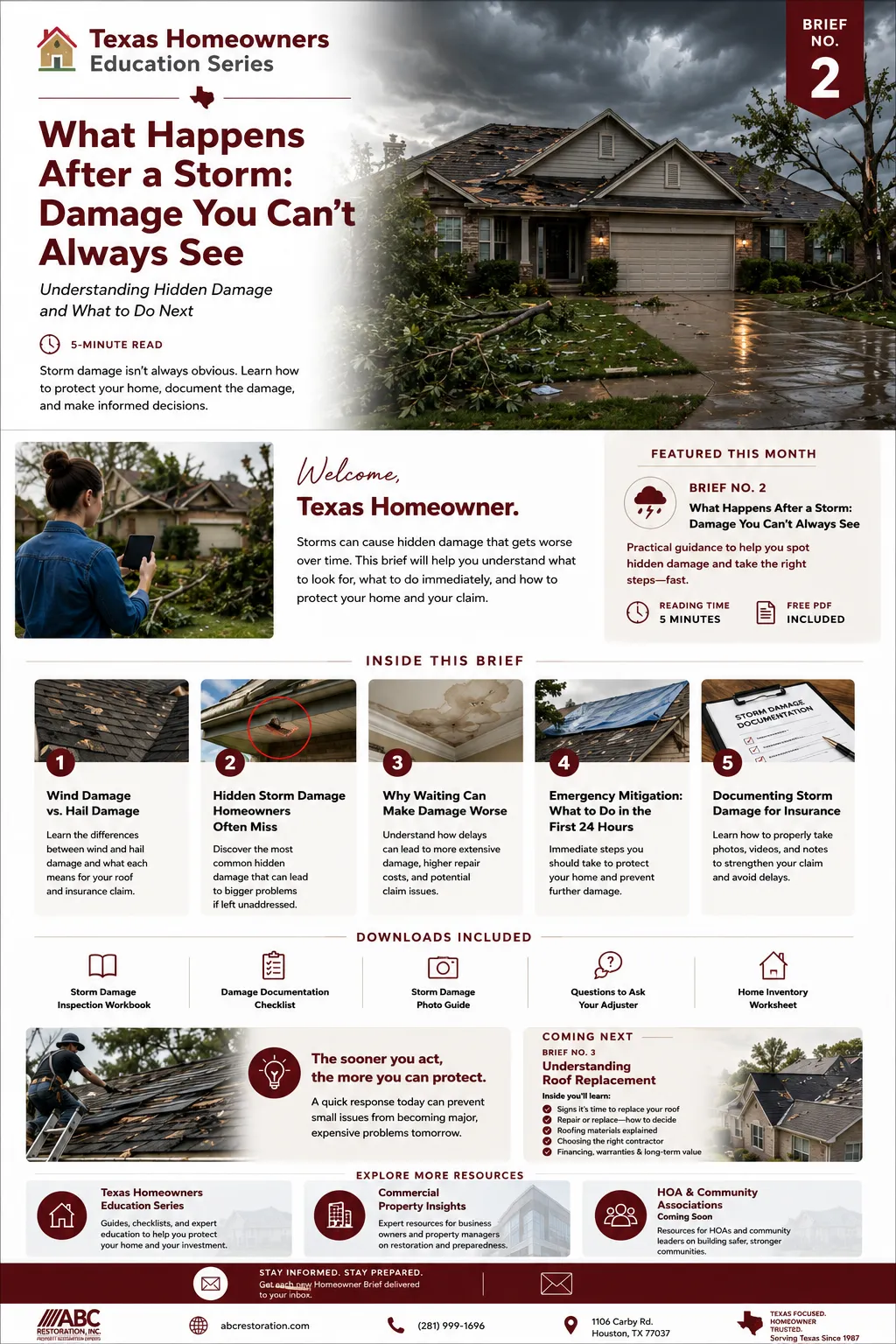

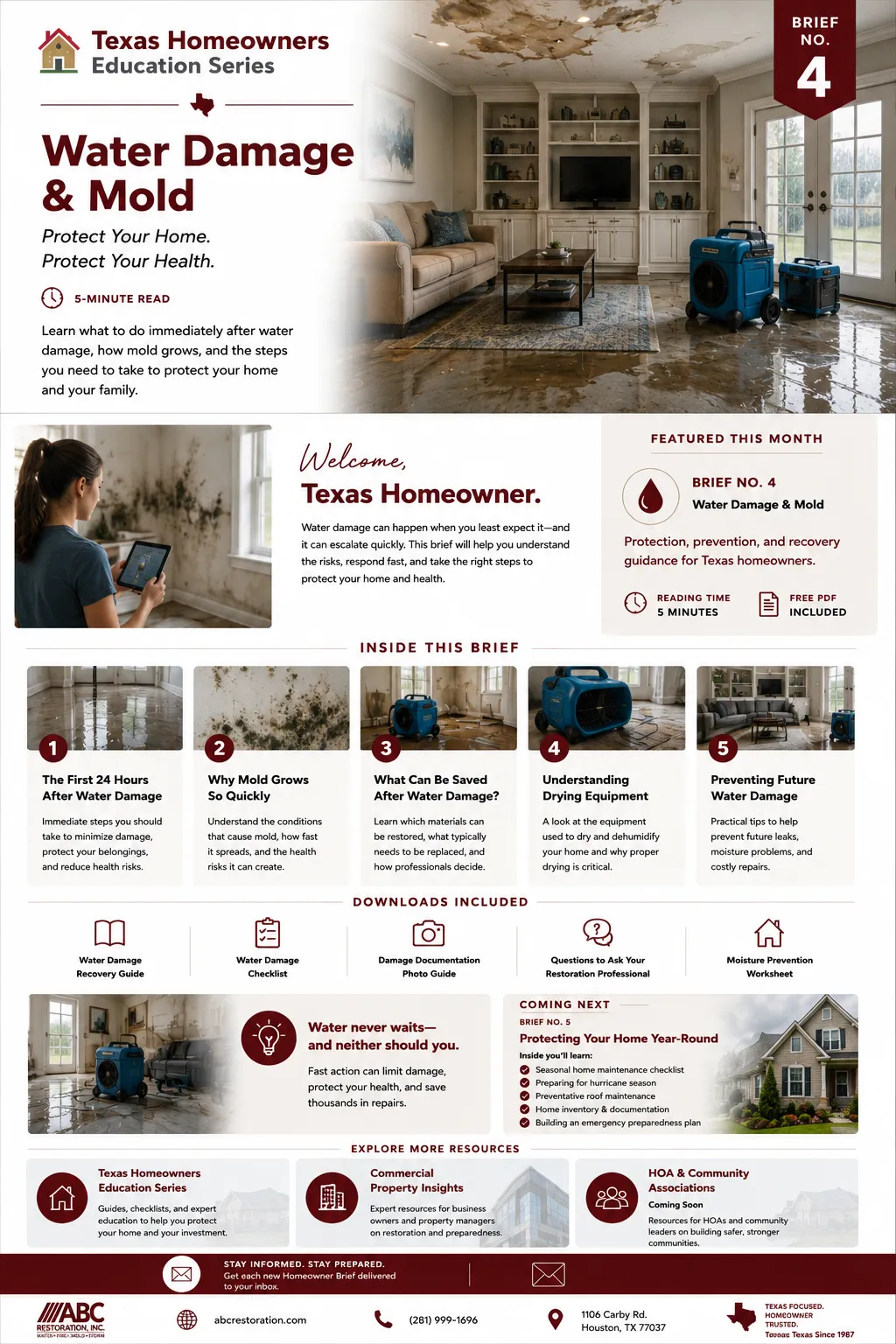
RESOURCE LIBRARY
Helpful guides, tools and additional resources for all stages.
~ All Downloadable Action Guides ~
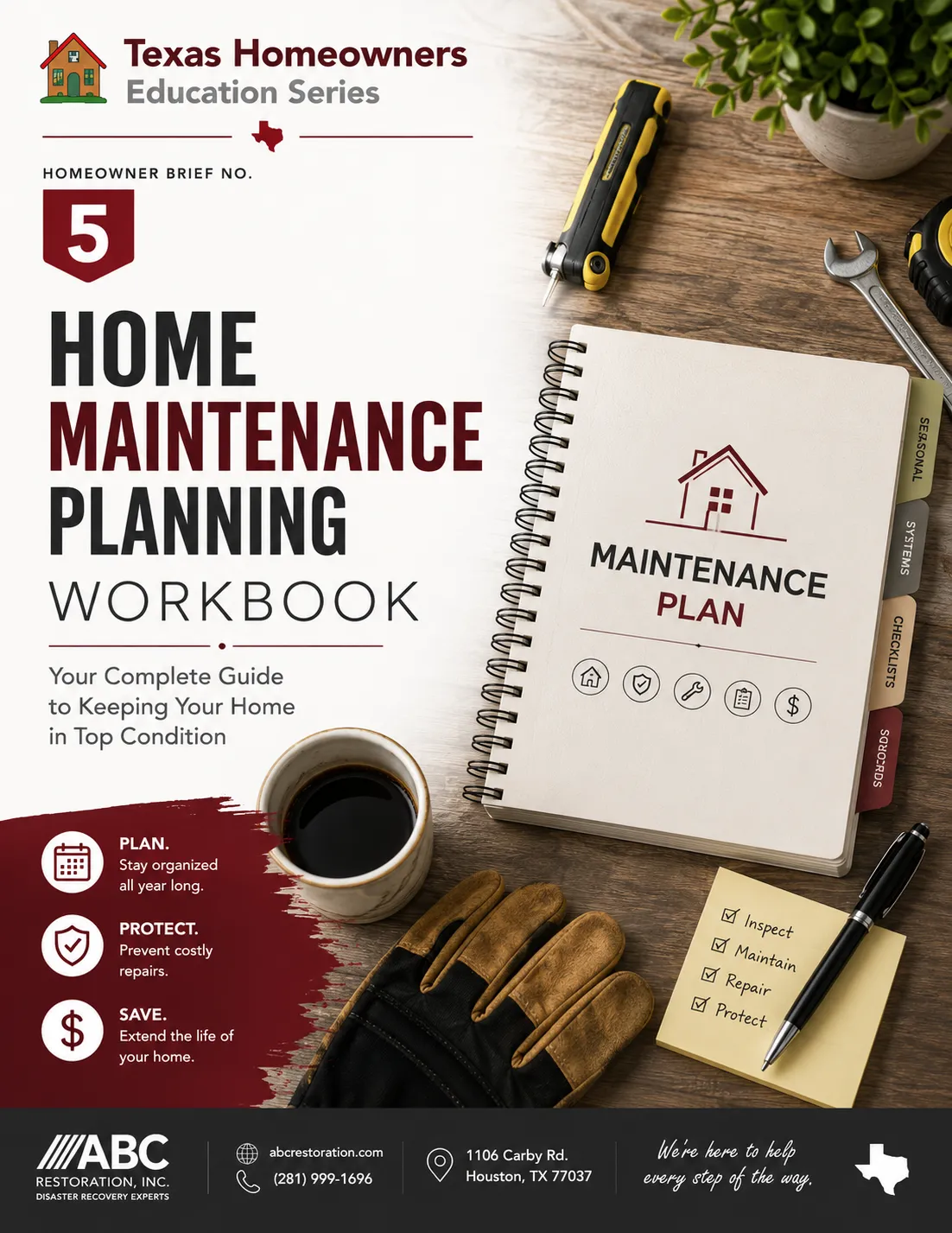
🏠 Home Maintenance & Repair
Whether you're maintaining your home or planning repairs, these resources will help you stay organized, prevent costly problems, and make informed decisions every step of the way.
Home Maintenance Planning Workbook
Homebuyer Repair Planning
🌩 Storm Damage
Know what to look for after severe weather and learn the next steps to protect your home and insurance claim.
Storm Damage Inspection
Storm Damage Document Checklist
First 24hrs Storm Recovery Checklist
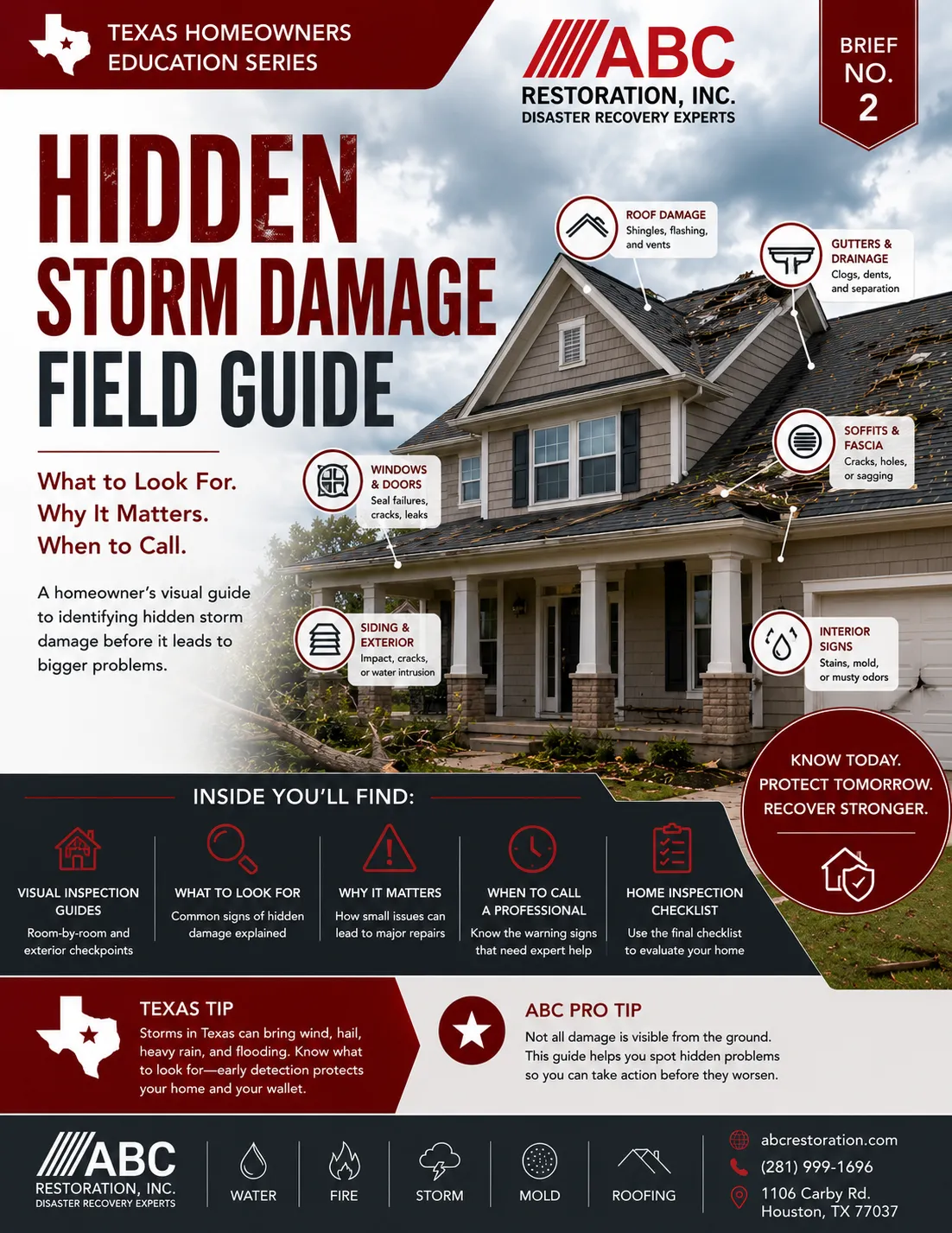
Hidden Storm Damage Guide
🏡 Roofing
Understand inspections, repairs, replacement options, and maintenance with practical roofing resources for homeowners.
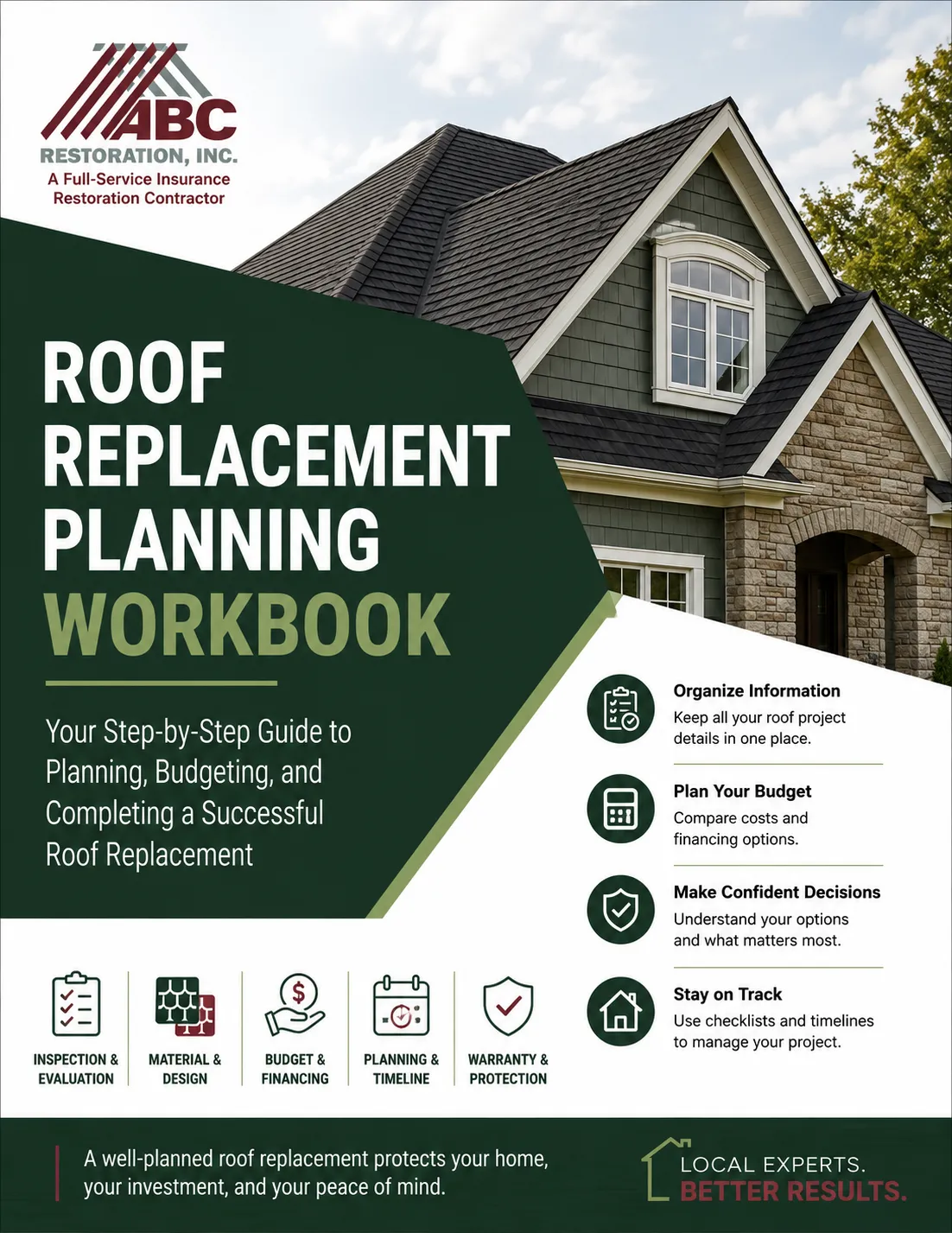
Roof Replacement Planning
Choosing Roofing Material Checklist

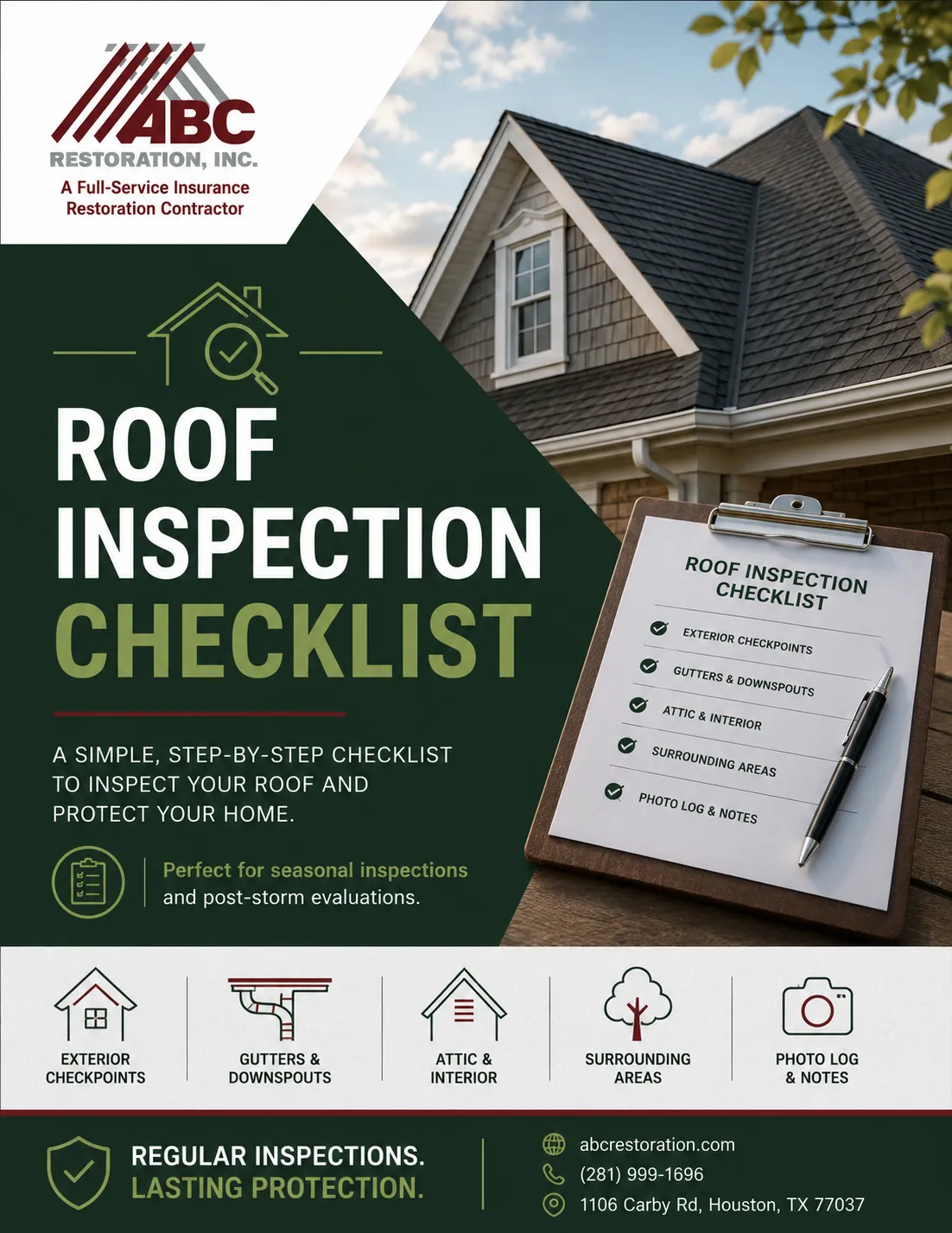
Roof Inspection Checklist
💧 Water Damage & Mold
Respond quickly to water damage with resources that help you document, dry, clean, and restore your home safely.
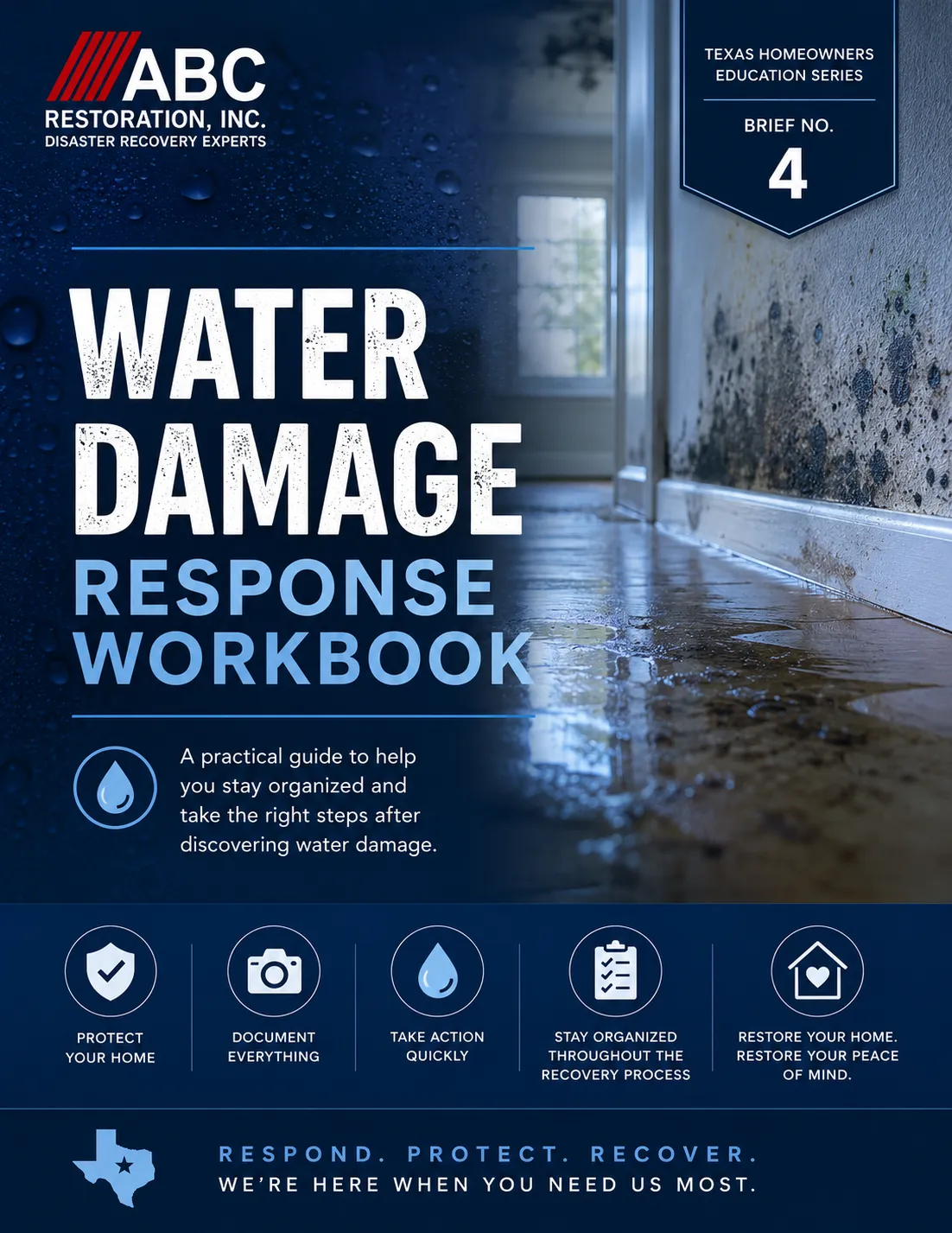
Water Damage Response Workbook
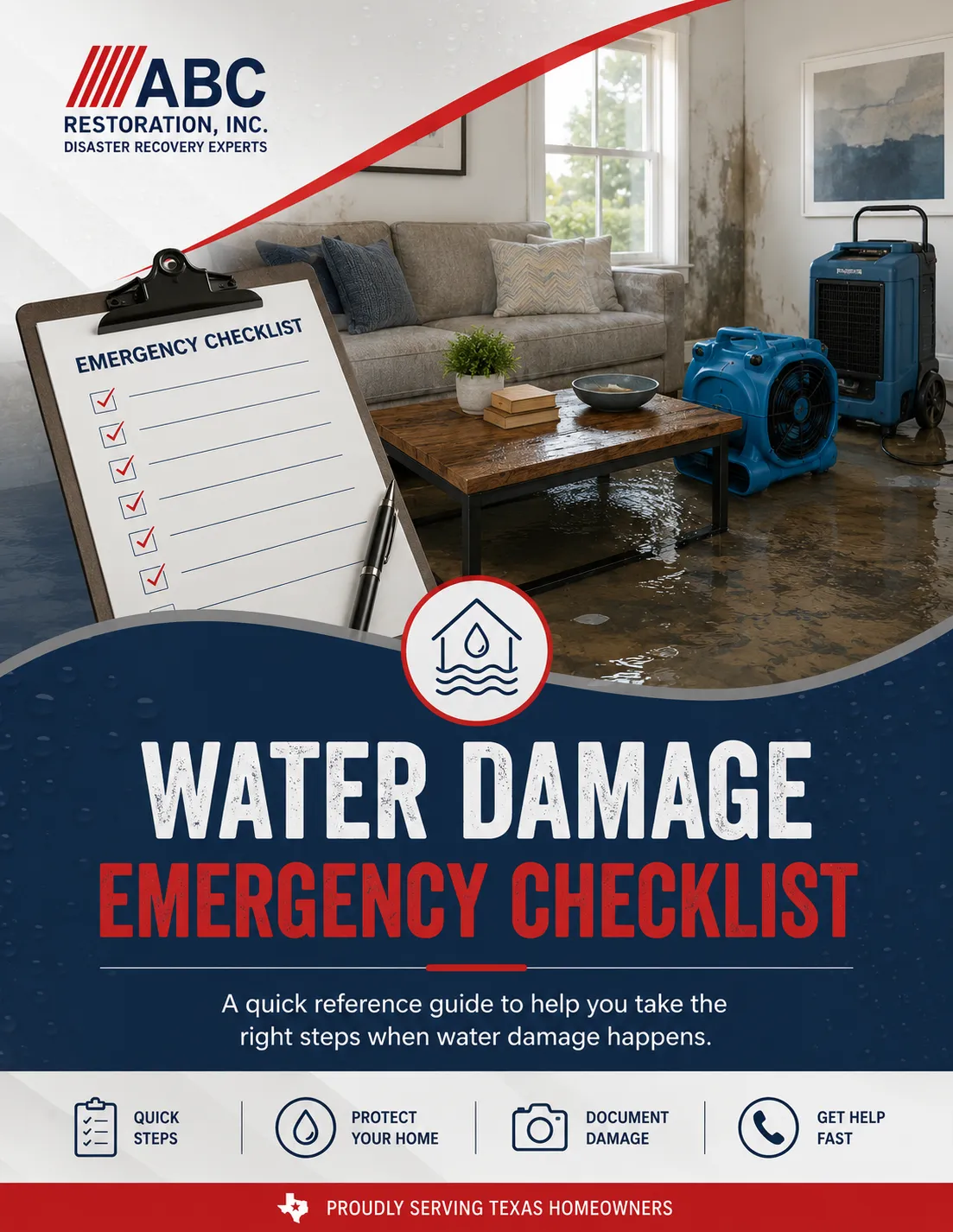
Water Damage Emergency Checklist
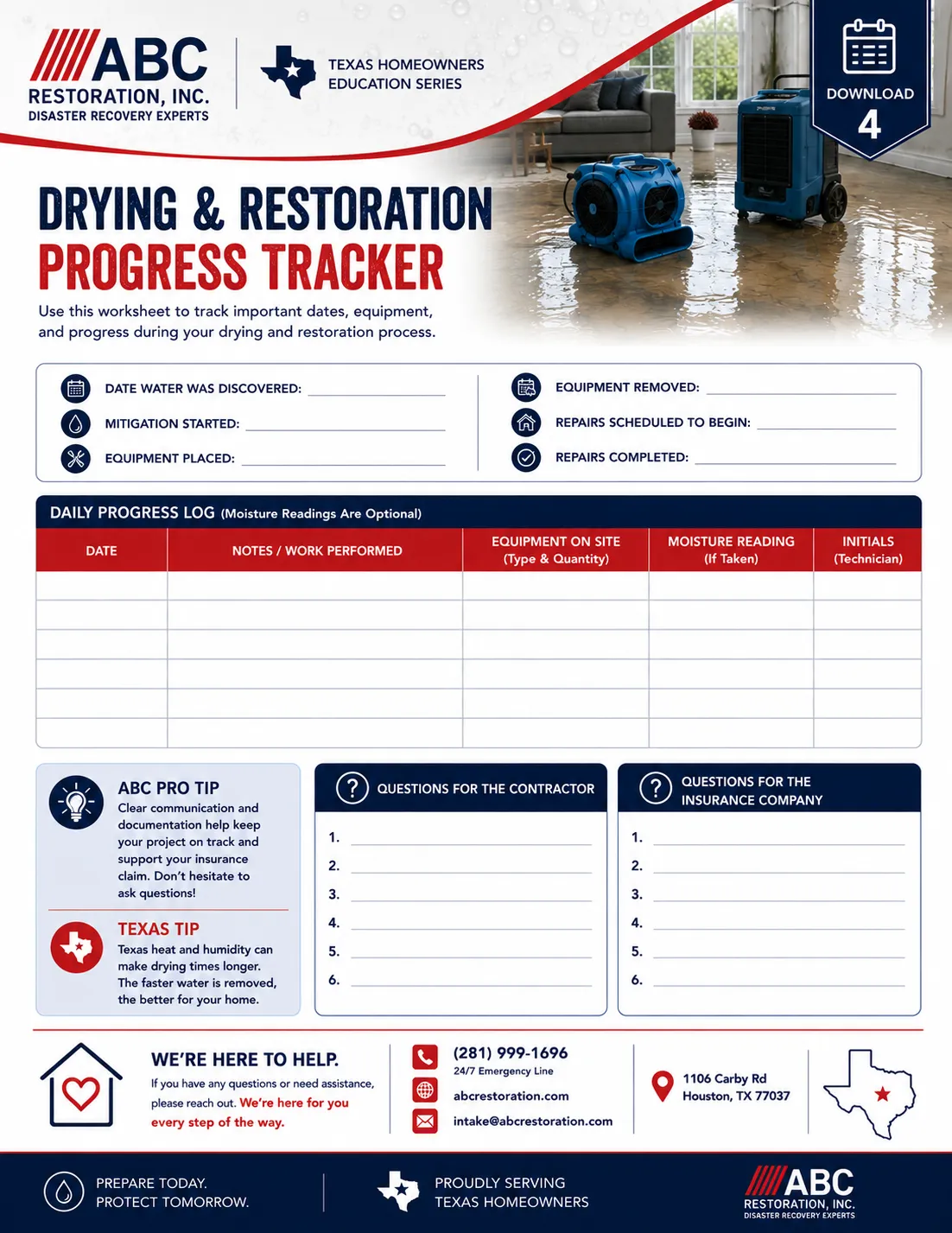
Drying & Restoration Progress Tracker
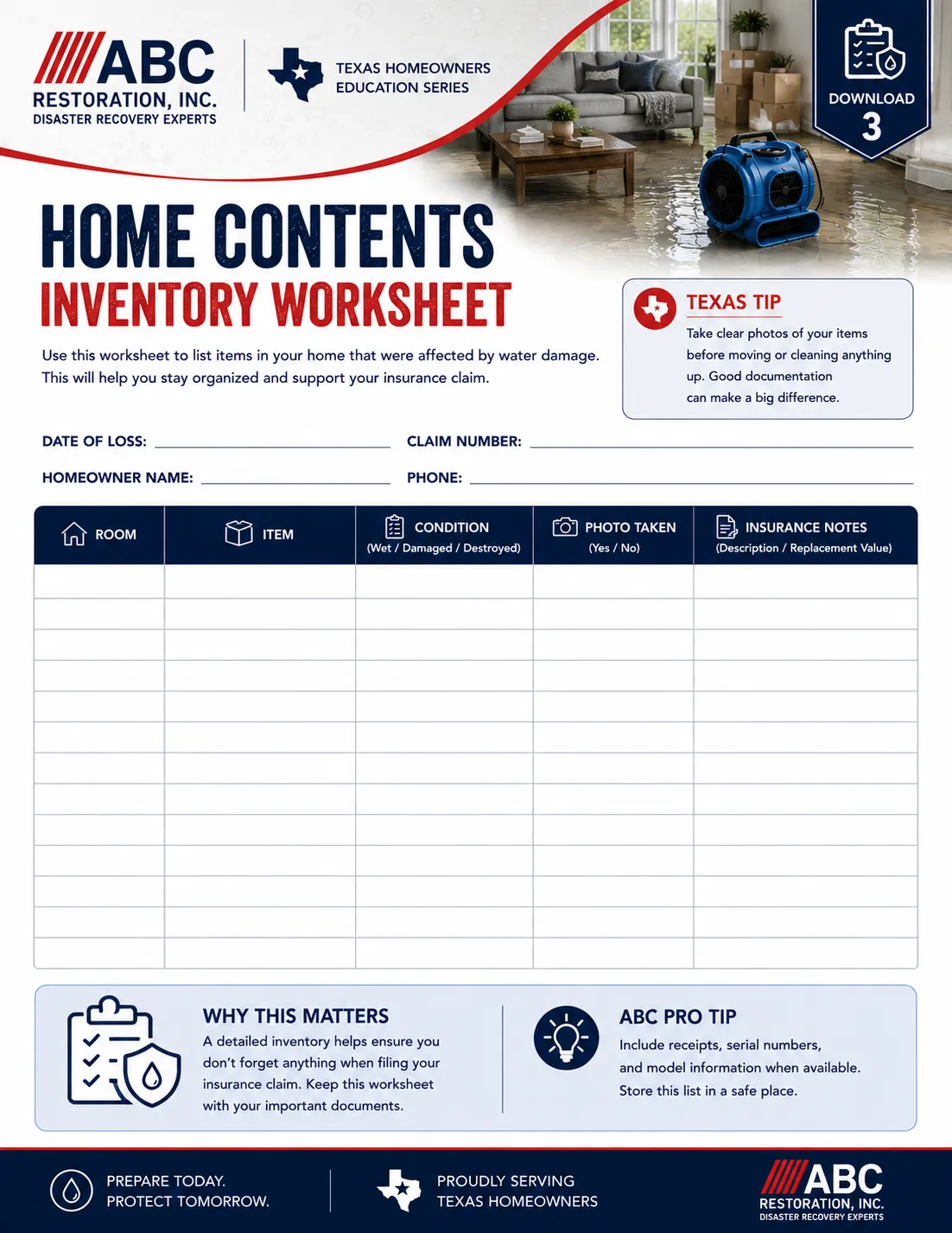
Home Contents Inventory
💰 Insurance, Financing & Budgeting
Understand insurance proceeds, compare financing solutions, and organize your project budget with practical guides and worksheets designed for homeowners.
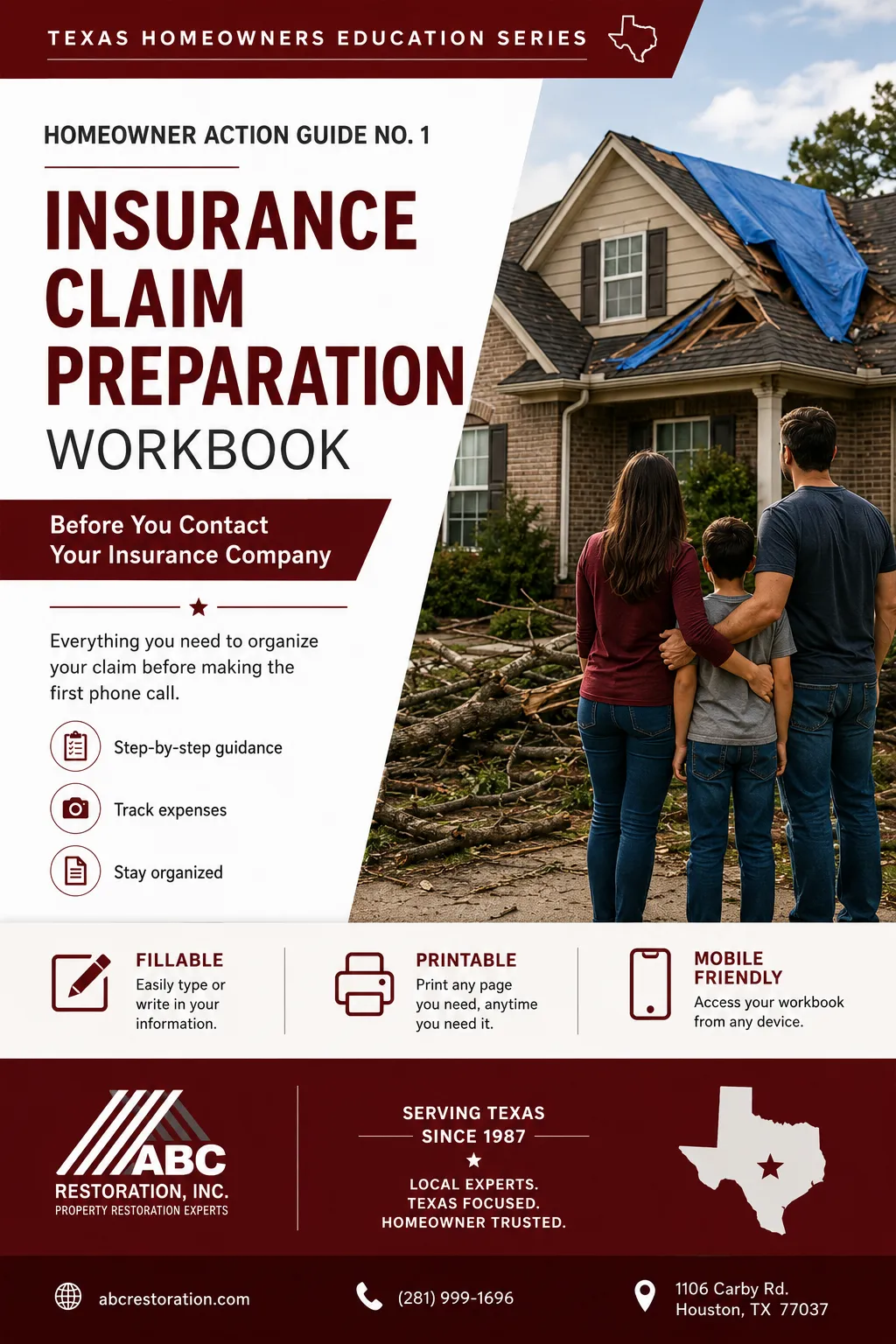
Insurance Claim
Prep
Contractor Estimate Comparison
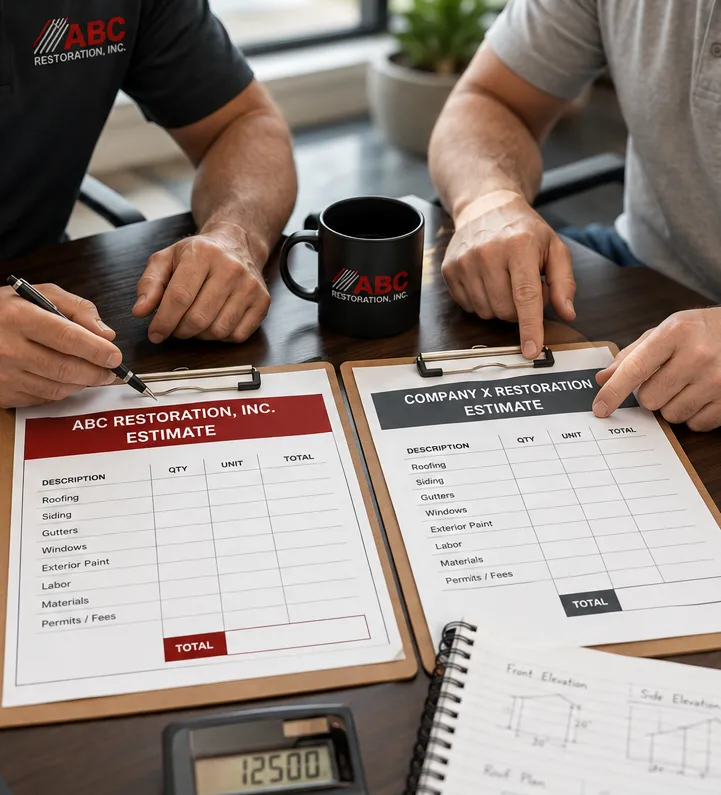
Home Project Budget

Finance Comparison
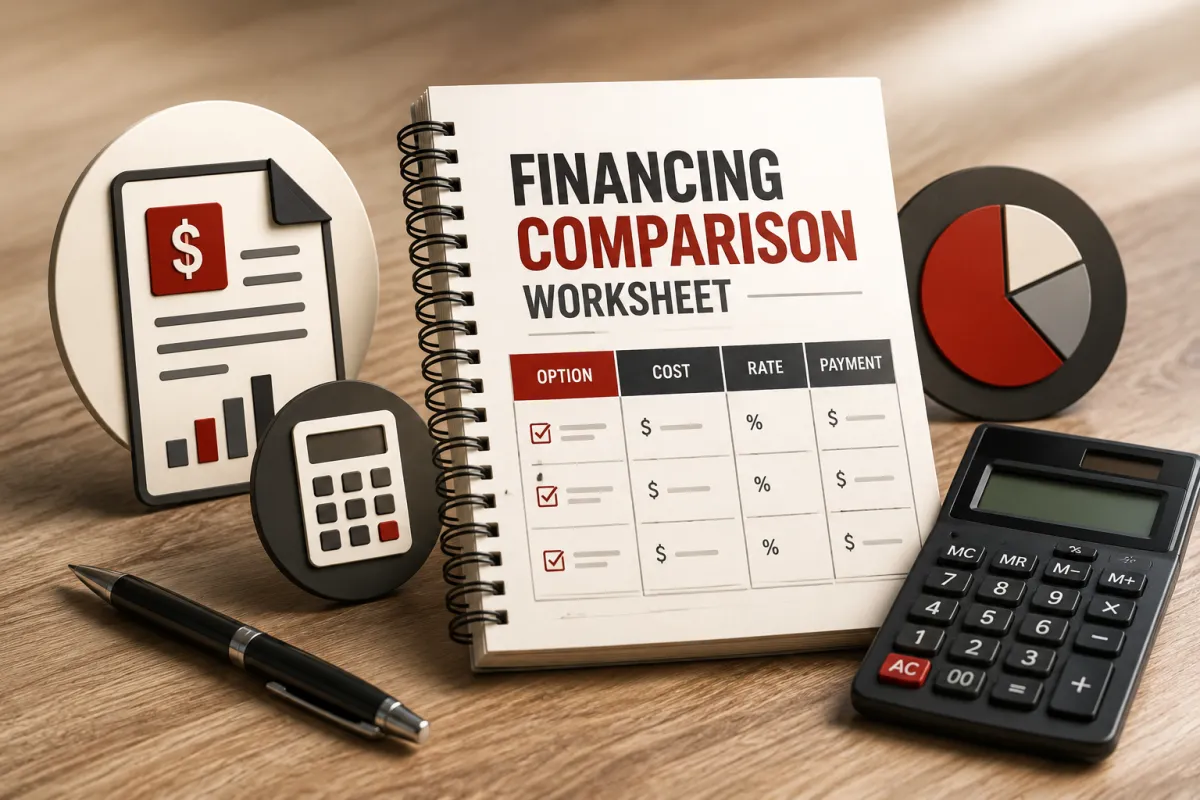
~ Explore Additional Volumes & Resources ~




~ Explore Learning Paths~





Trusted Education

Practical Guidance

Informed Decisions

FOLLOW US


COMPANY
Resource Center
Contact Us
Copyright . . All Rights Reserved.