Emergency Services 24/7

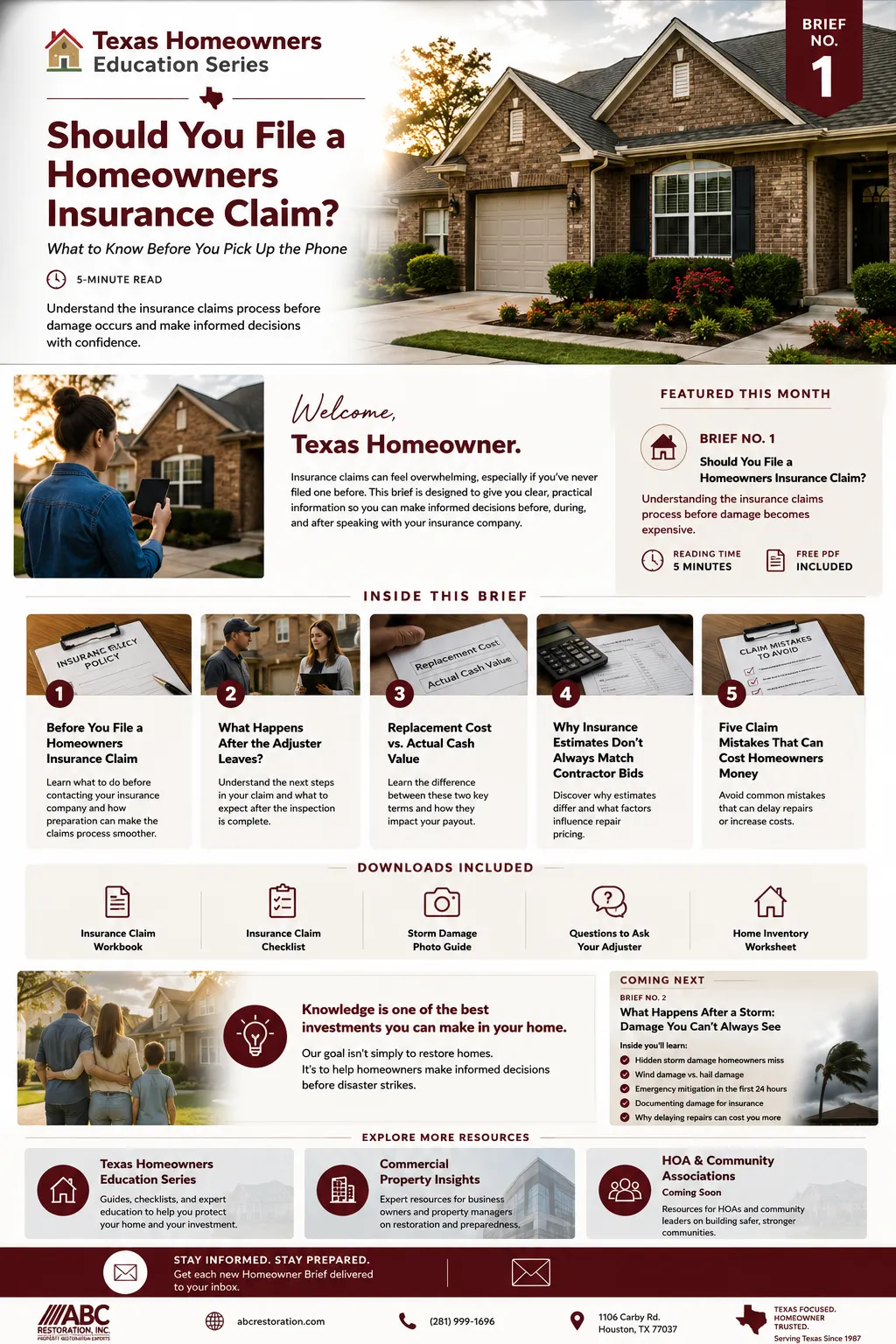
Before You File an Insurance Claim
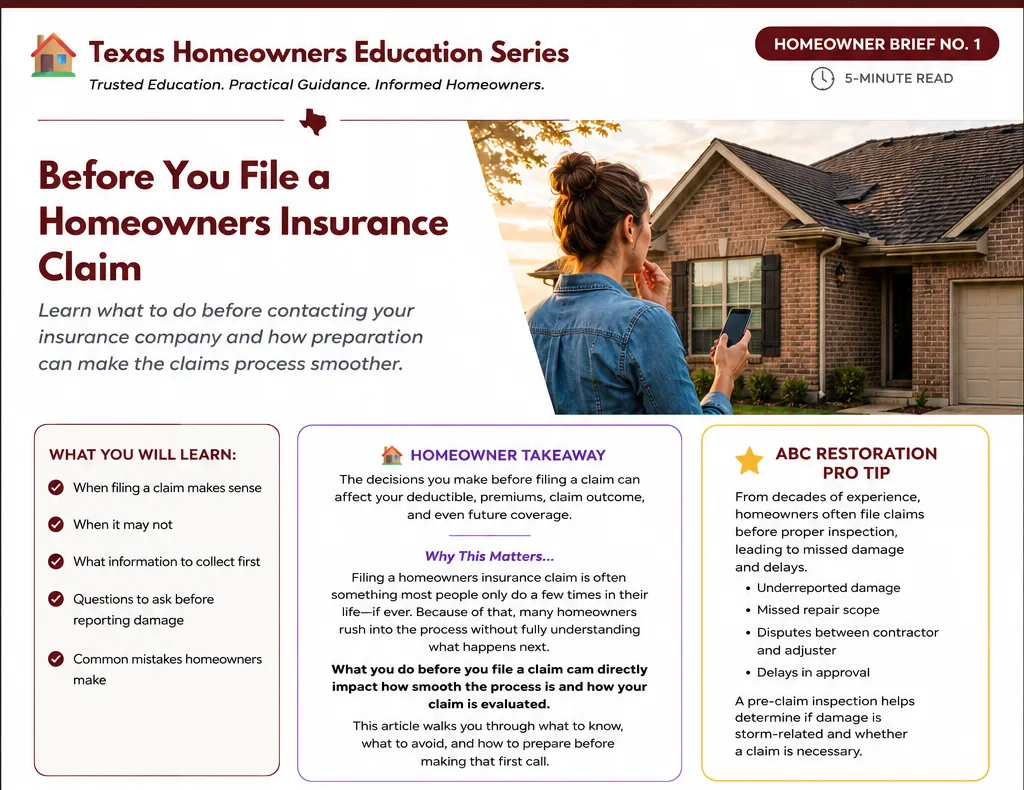
Why Preparation Matters
Most homeowners insurance companies follow a very similar claims workflow once you contact them. After a claim is reported, the insurer assigns a claims adjuster to inspect the property, document damage, and compare findings against your policy terms. The adjuster typically reviews photos, contractor estimates (if provided), prior maintenance history, and any supporting documentation you submit. From there, the insurer determines whether the damage is covered, partially covered, or excluded under your policy. If approved, they issue an estimate based on replacement cost or actual cash value, depending on your coverage type and deductibles.
What many homeowners don’t realize is that opening a claim creates an official insurance record—
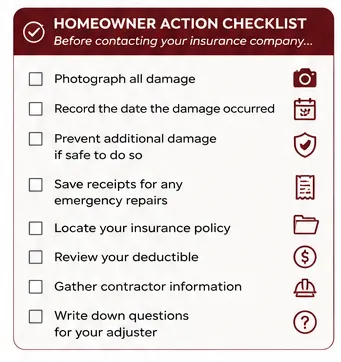
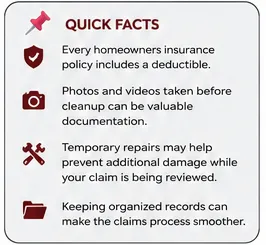
even if you decide not to move forward with repairs or payment. According to guidance commonly referenced by the Insurance Information Institute, claims history can be tracked through industry databases and may influence future premiums or underwriting decisions. This is why preparation before contacting your insurer is important: documenting damage thoroughly, understanding your deductible, and confirming whether the loss likely exceeds your out-of-pocket cost can help prevent unnecessary claims.
Because of this process, it’s often recommended that homeowners evaluate the situation carefully before filing. Minor or cosmetic damage may not justify a claim once deductibles and potential premium increases are considered, while larger storm or structural losses typically require prompt reporting to avoid coverage disputes. Taking time to review your policy, gather photos, and even consult a contractor before making the call can make the entire claims process faster, more accurate, and less stressful.
Frequently Asked Questions
Does opening a claim guarantee payment?
No. Payment is depending on your policy coverage, the cause of the loss, and the insurer's assessment. Refer to our "Questions to Ask Your Adjuster " download guide to ensure all proper questions are covered.
Can I make repairs before the adjuster arrives?
Yes, if necessary to prevent further damage. Keep receipts and photos of the repairs. Refer to our "Insurance Claim Prep Workbook" to properly track all cost and repairs.
Will filling a claim affect my insurance premium?
IT CAN! That is why we created this whole thing. Each claim is different and insurance companies consider claim history when determining future premiums.
Did You Know?
Opening a claim is only one step in the insurance process. Understanding how your policy works before damage occurs can help you make more informed decisions when the unexpected happens.
Browse All Briefs
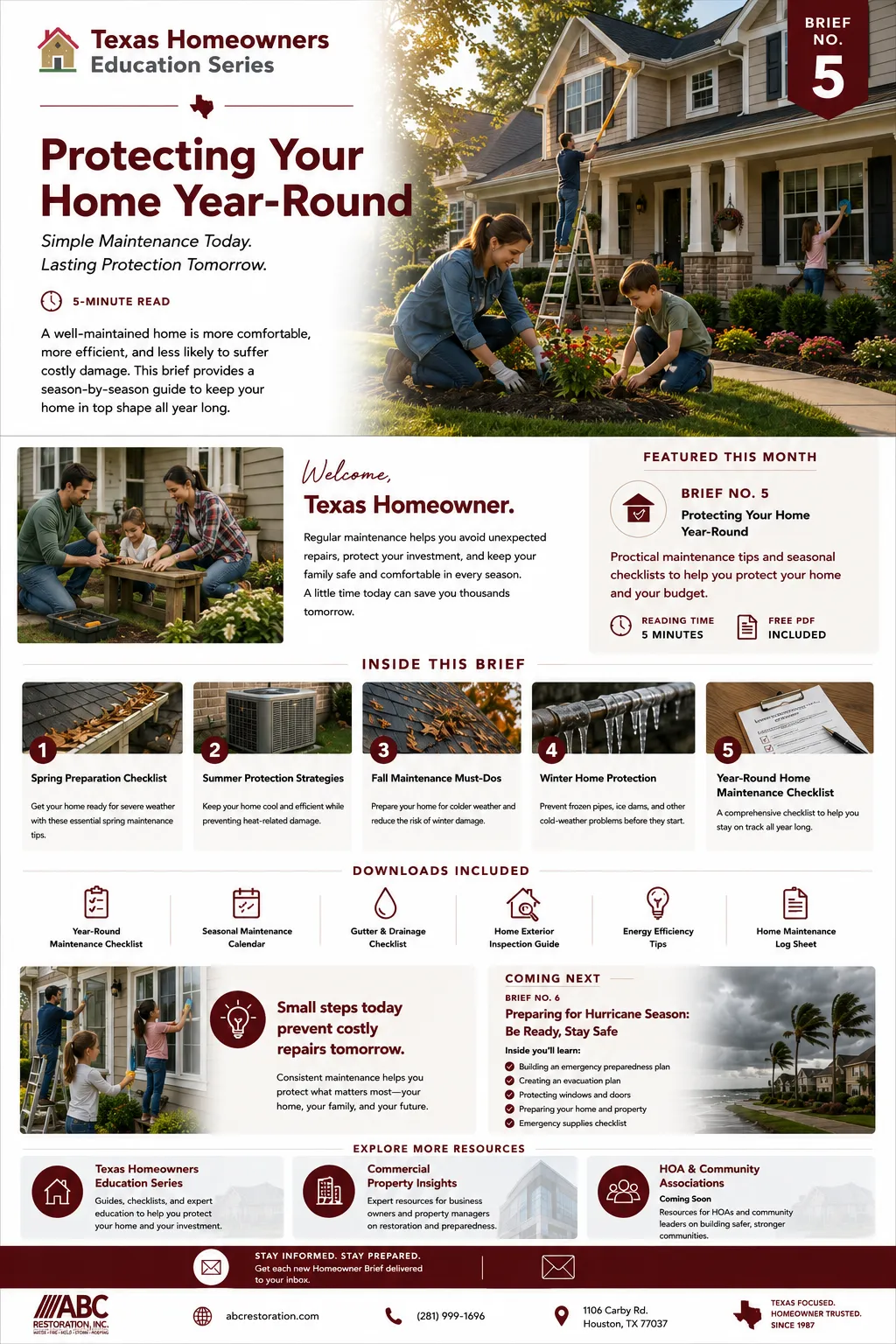
RESOURCE LIBRARY
Helpful guides, tools and additional resources for all stages.
~ All Downloadable Action Guides ~
🏠 Home Maintenance & Repair
Whether you're maintaining your home or planning repairs, these resources will help you stay organized, prevent costly problems, and make informed decisions every step of the way.
Home Maintenance Planning Workbook
Homebuyer Repair Planning
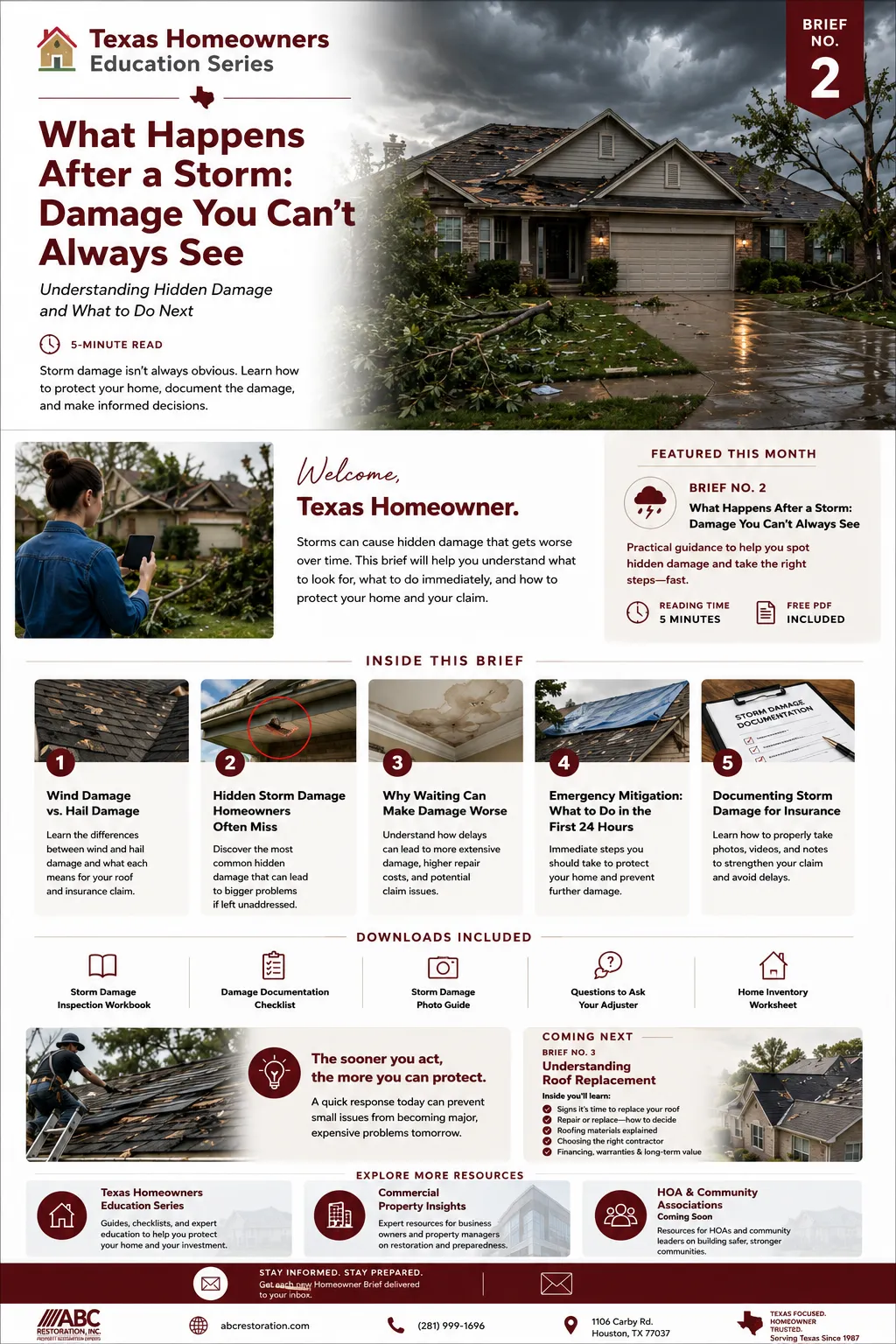
🌩 Storm Damage
Know what to look for after severe weather and learn the next steps to protect your home and insurance claim.
Storm Damage Inspection
Storm Damage Document Checklist
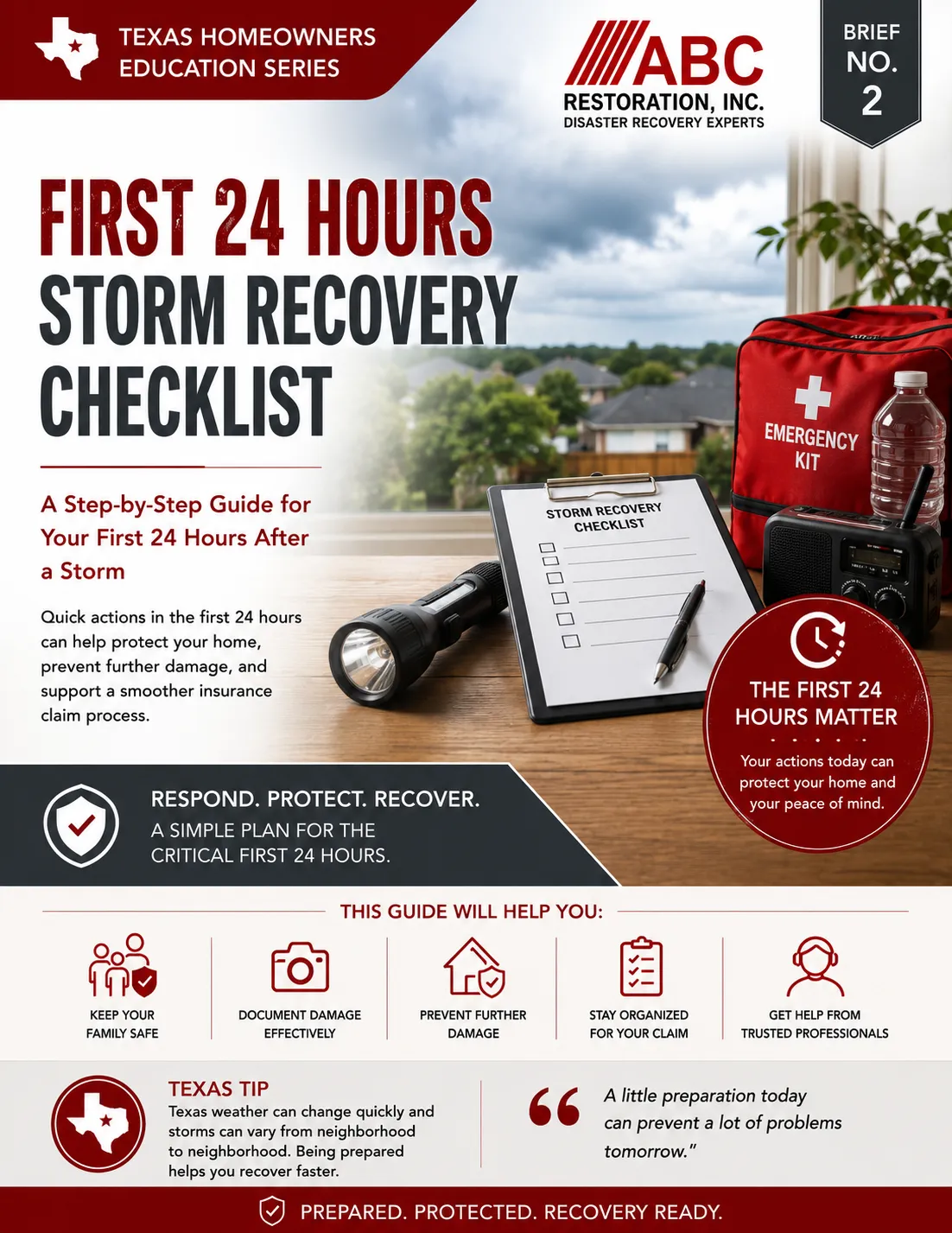
First 24hrs Storm Recovery Checklist
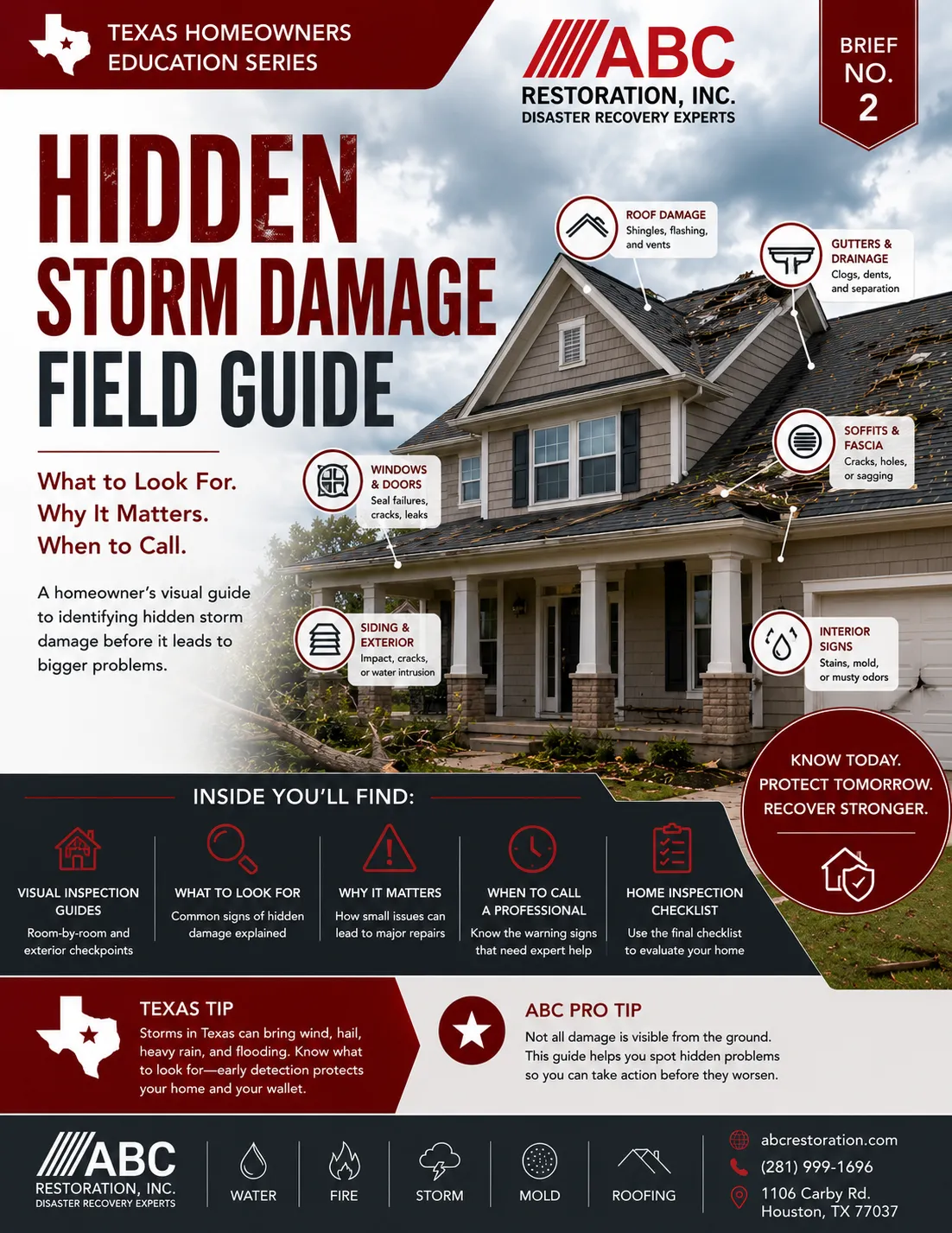
Hidden Storm Damage Guide
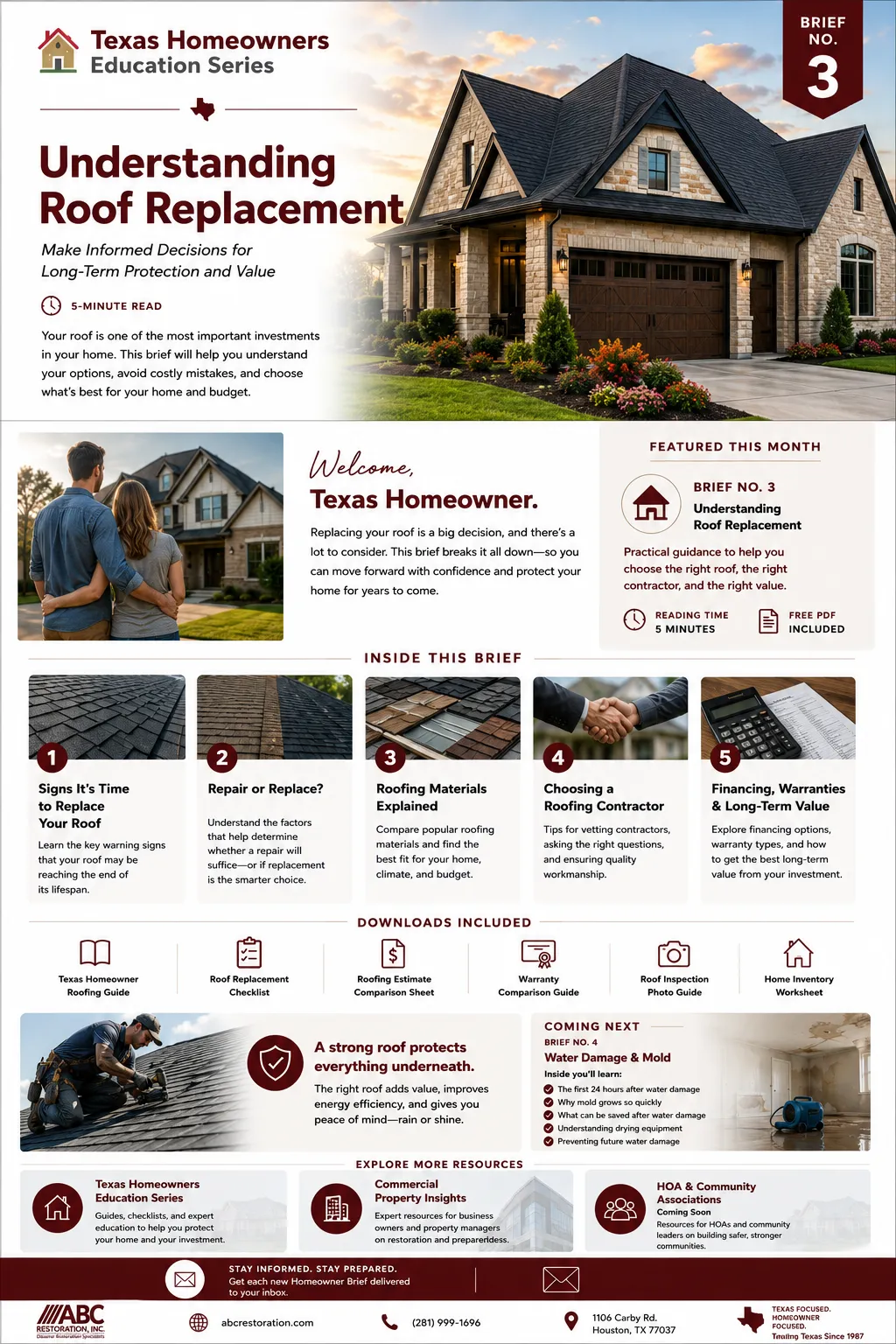
🏡 Roofing
Understand inspections, repairs, replacement options, and maintenance with practical roofing resources for homeowners.
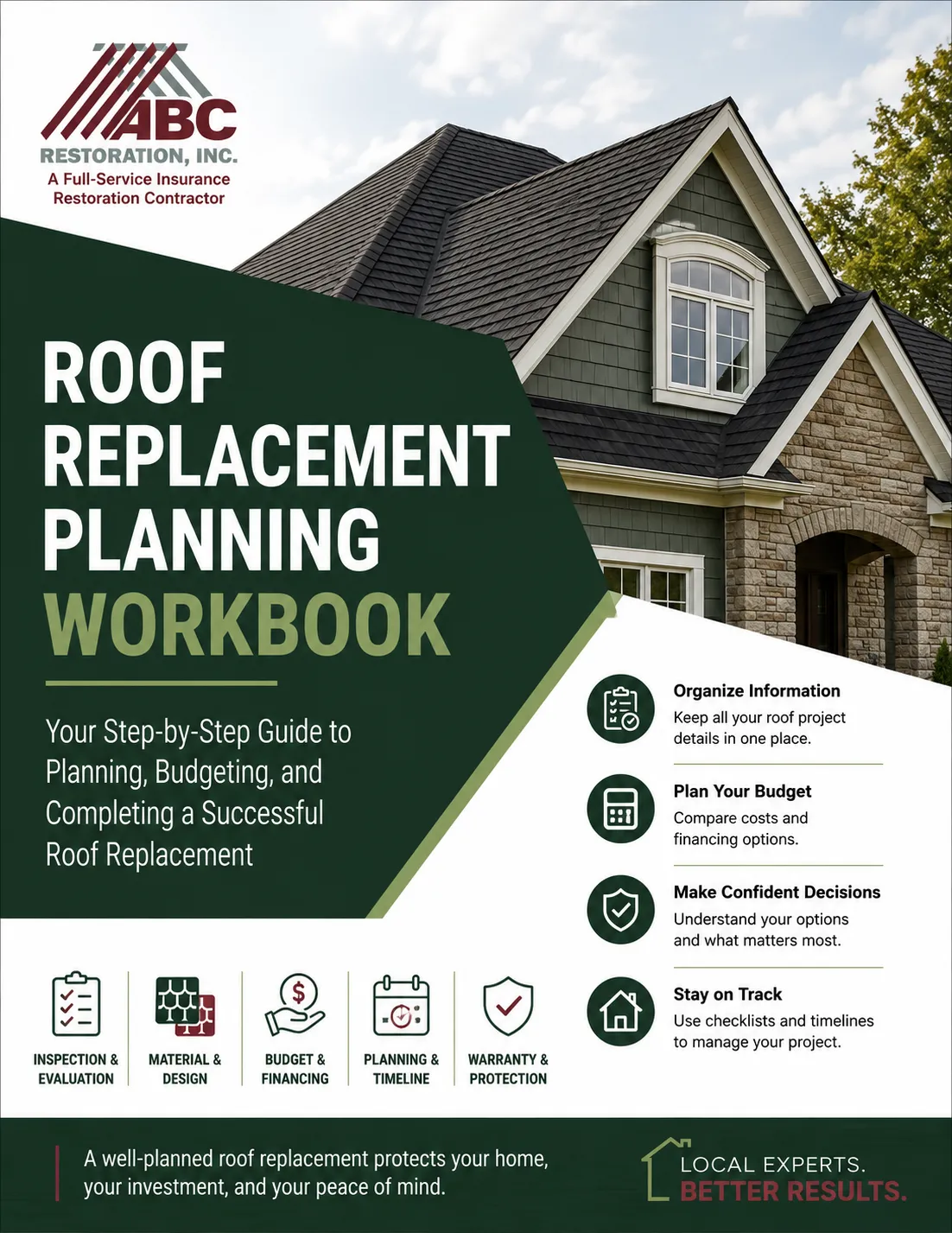
Roof Replacement Planning
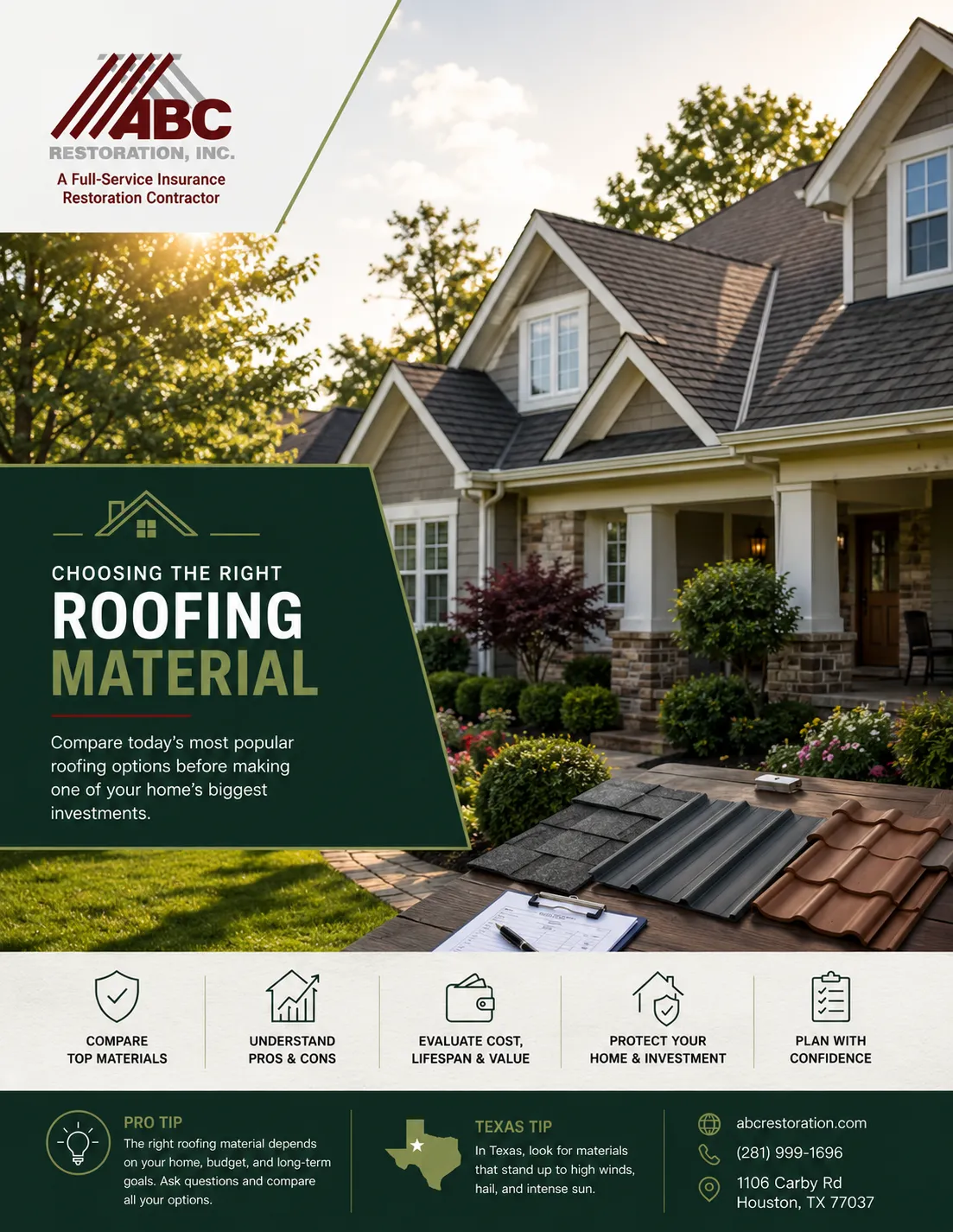
Choosing Roofing Material Checklist
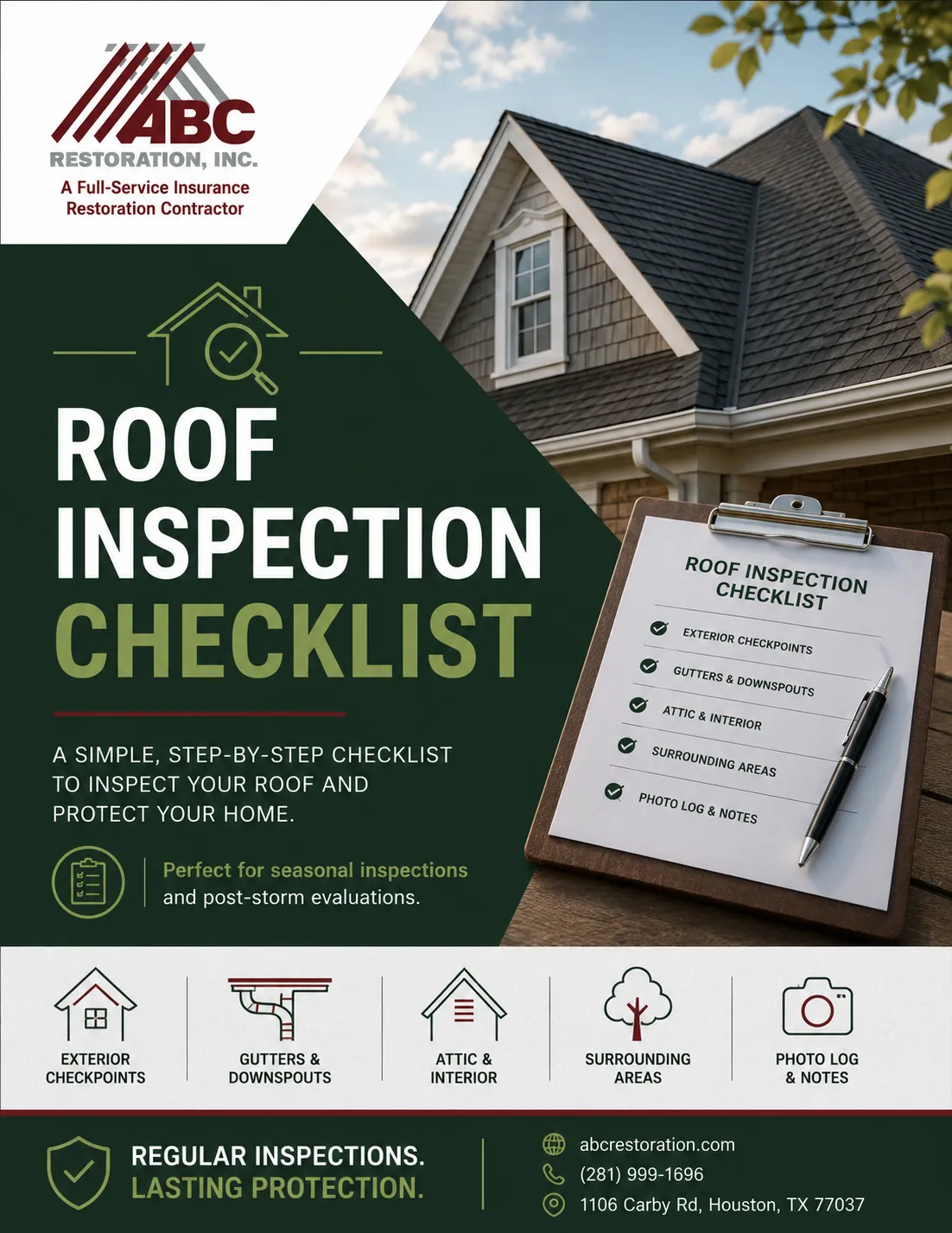
Roof Inspection Checklist
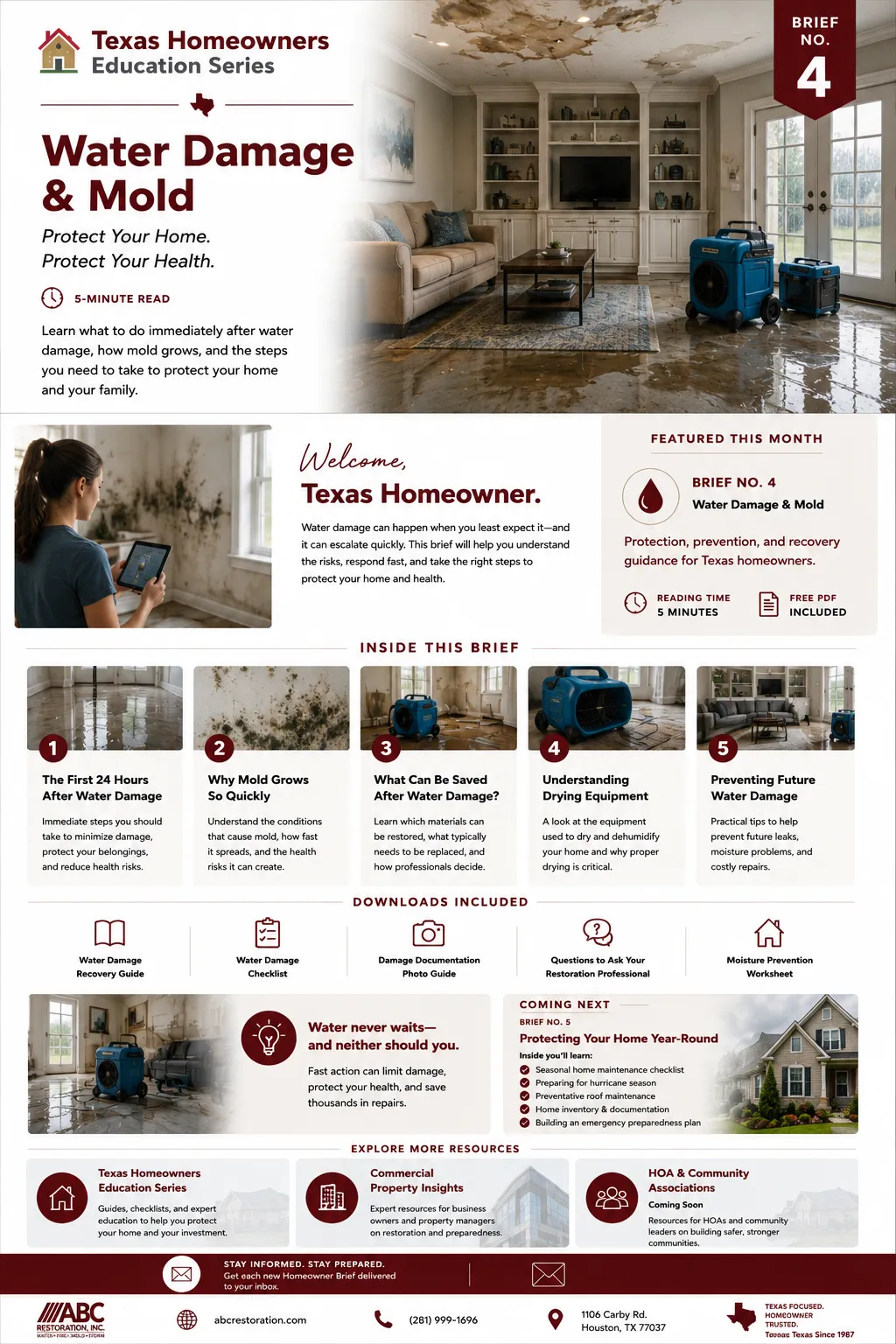
💧 Water Damage & Mold
Respond quickly to water damage with resources that help you document, dry, clean, and restore your home safely.
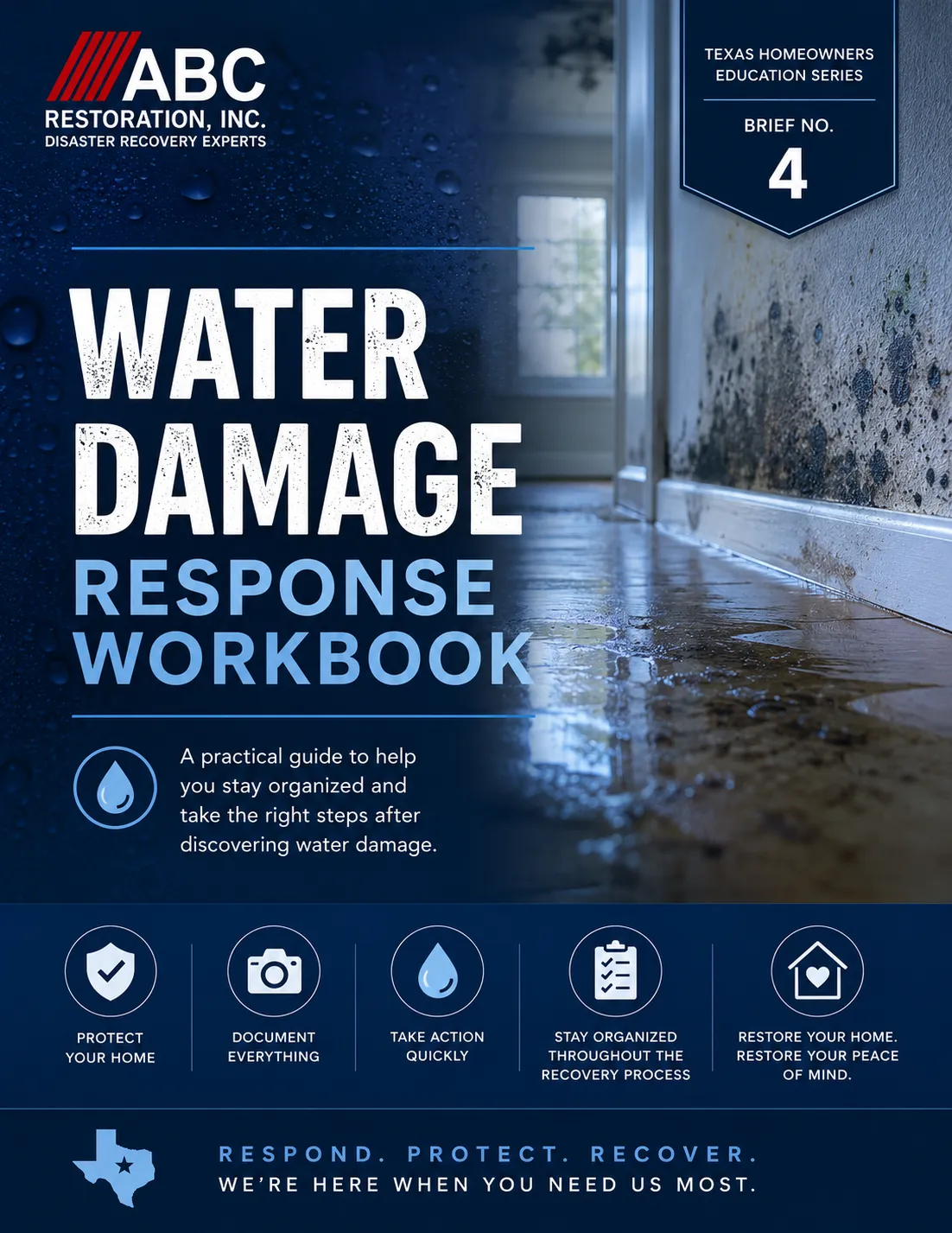
Water Damage Response Workbook
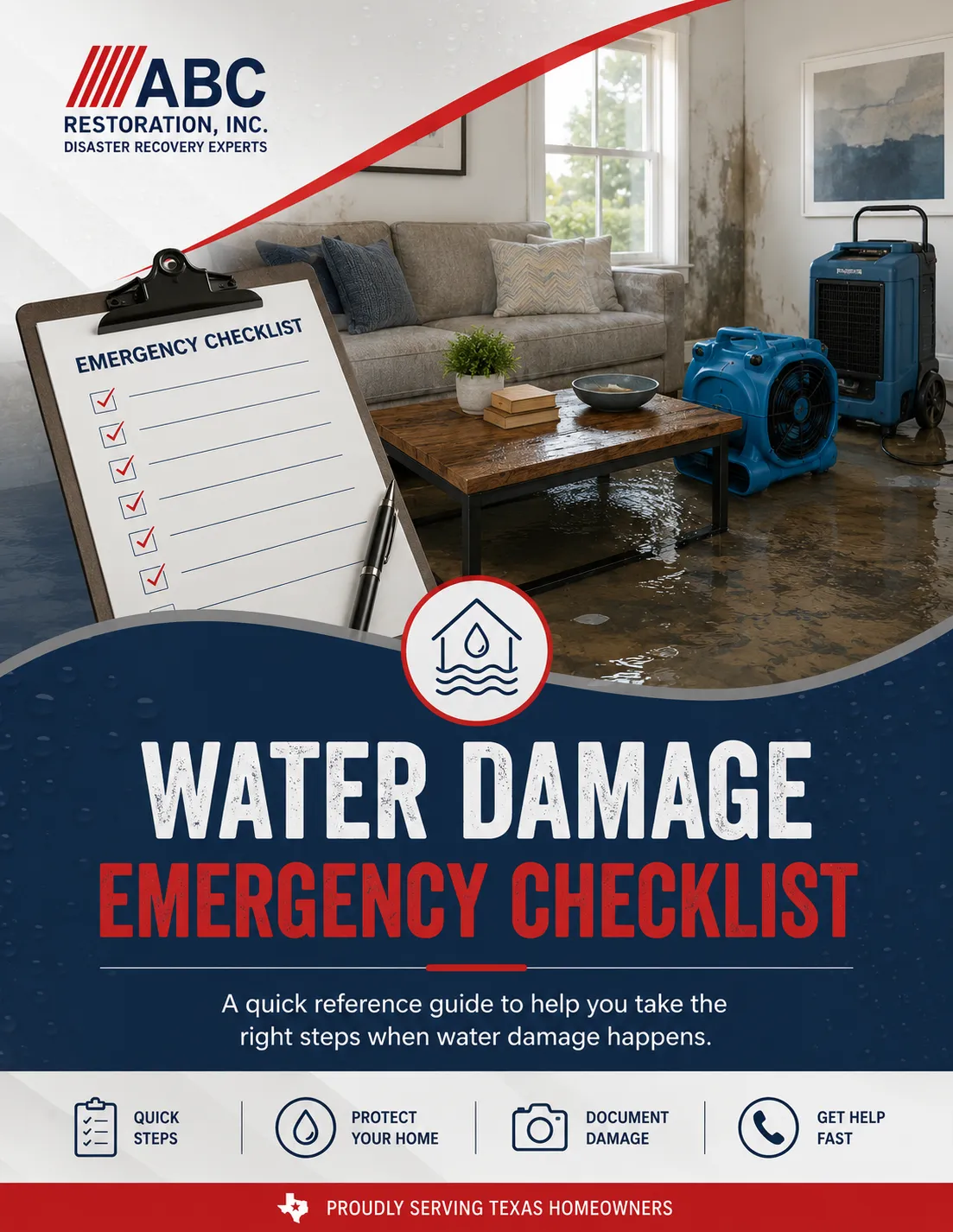
Water Damage Emergency Checklist
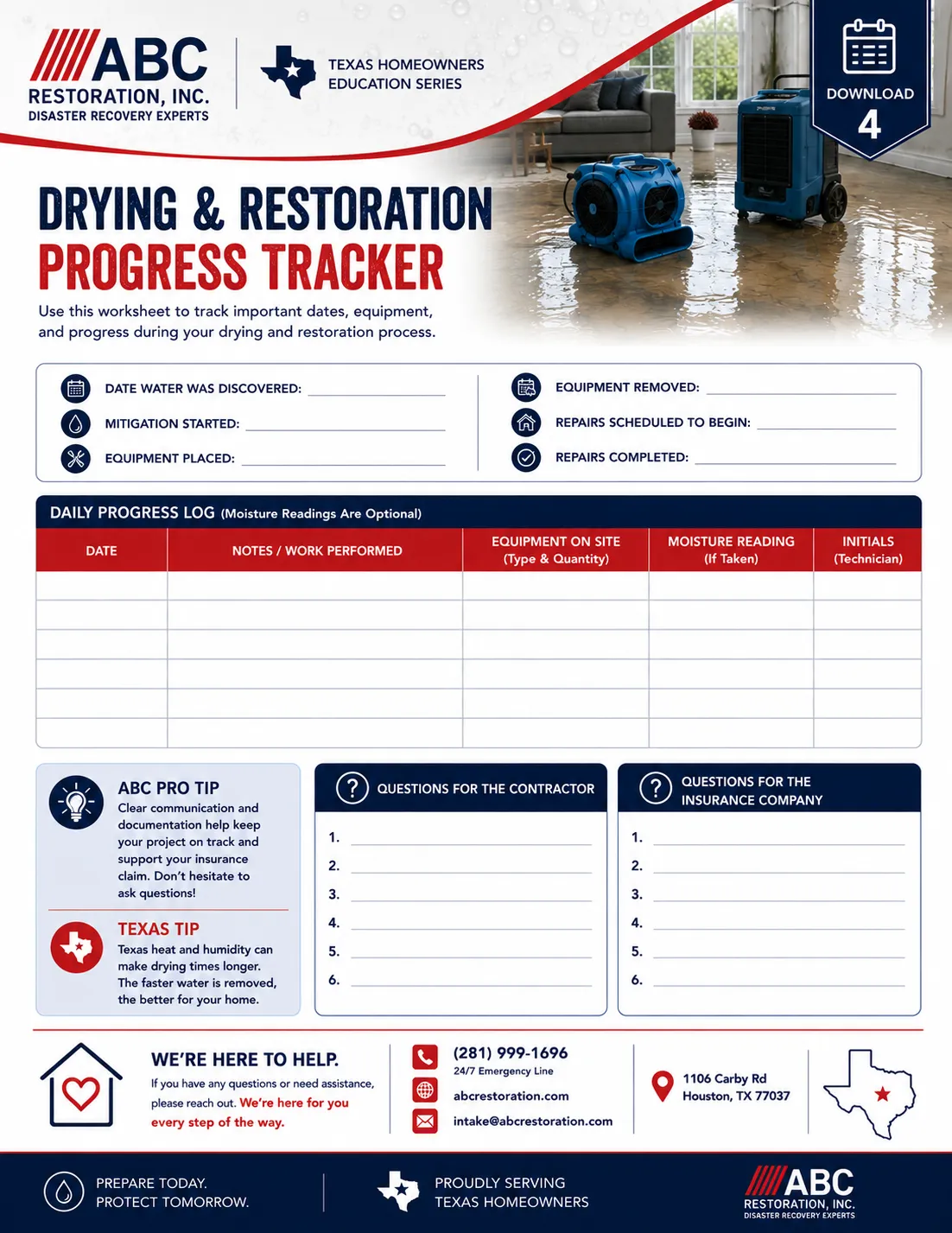
Drying & Restoration Progress Tracker
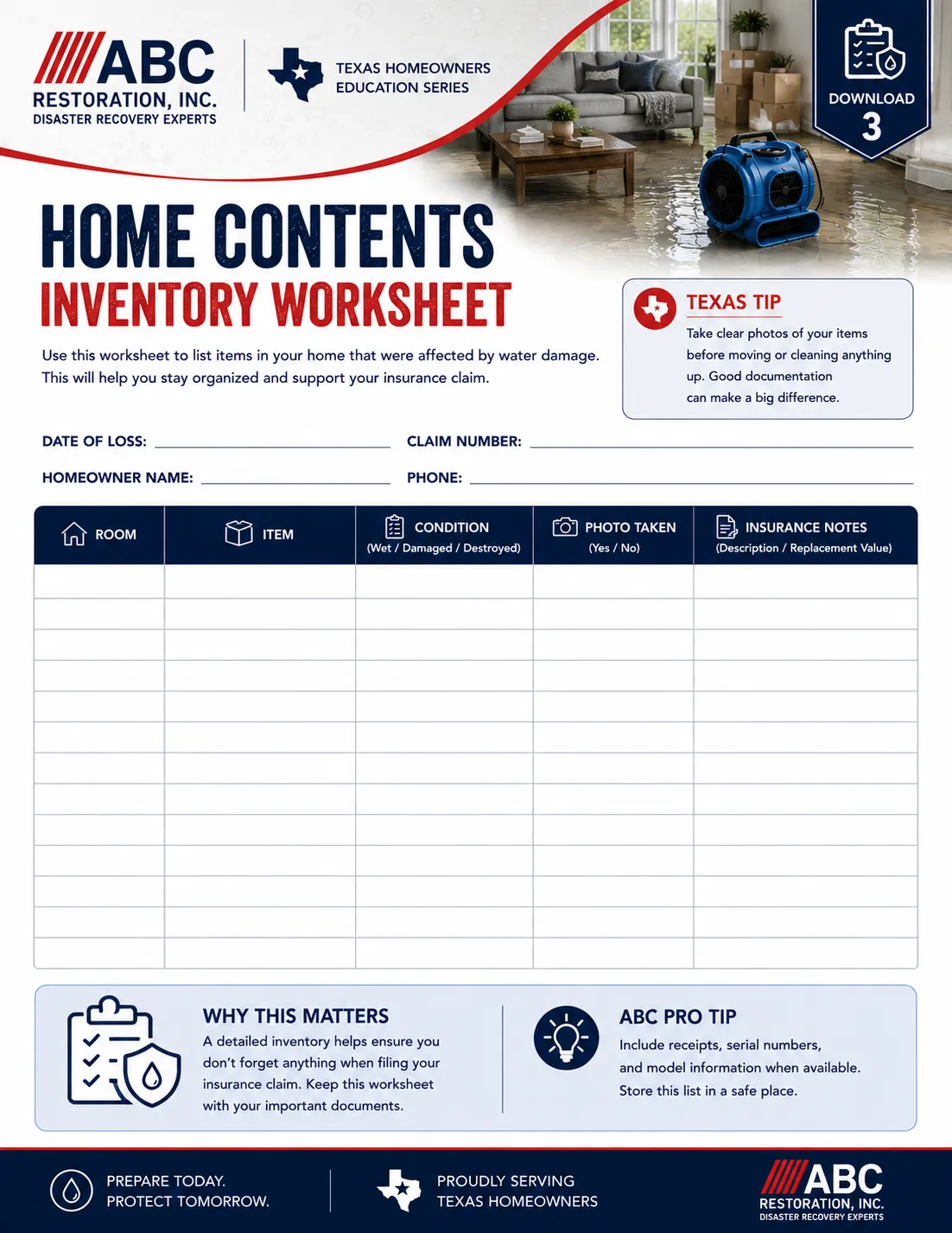
Home Contents Inventory
💰 Insurance, Financing & Budgeting
Understand insurance proceeds, compare financing solutions, and organize your project budget with practical guides and worksheets designed for homeowners.
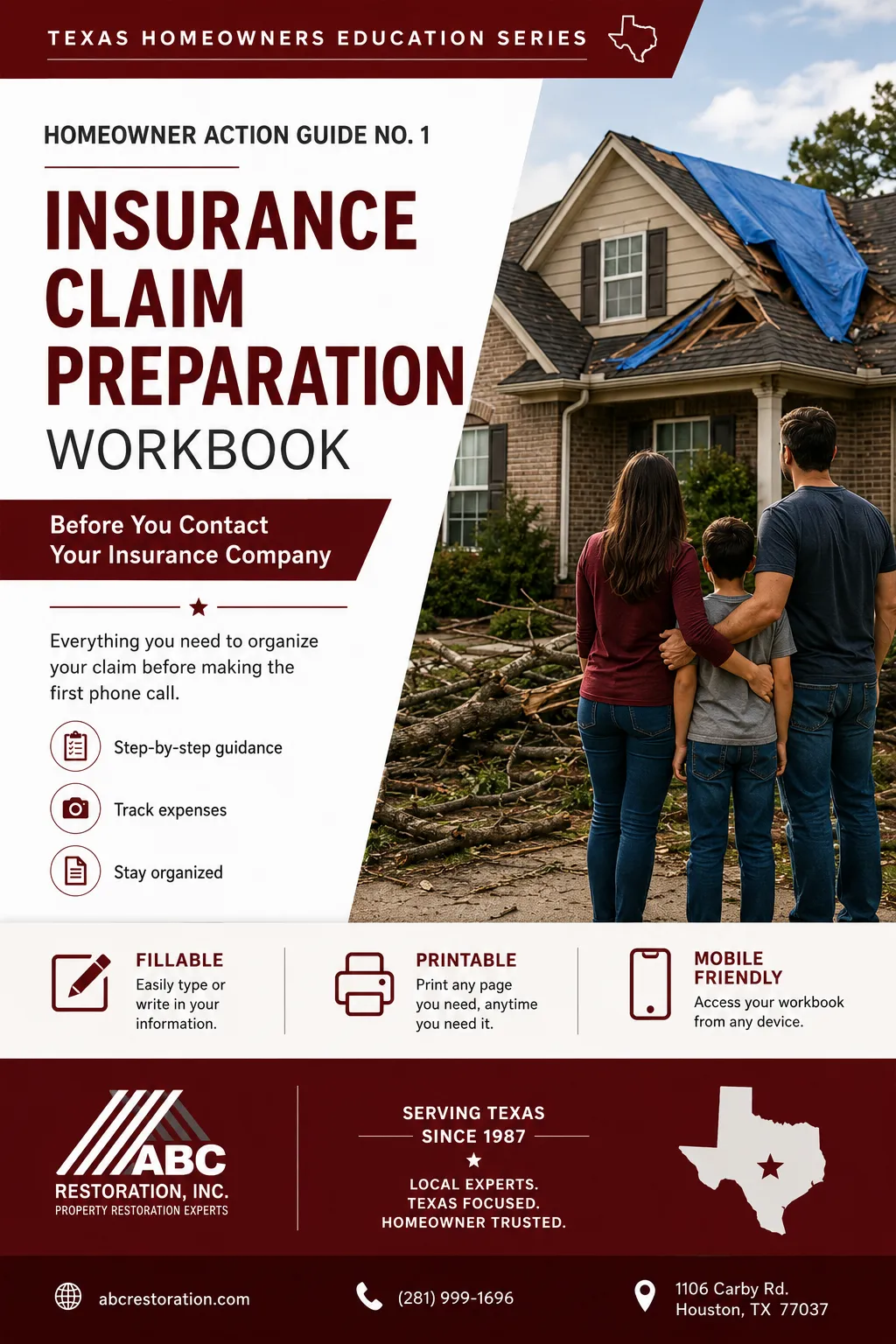
Insurance Claim
Prep
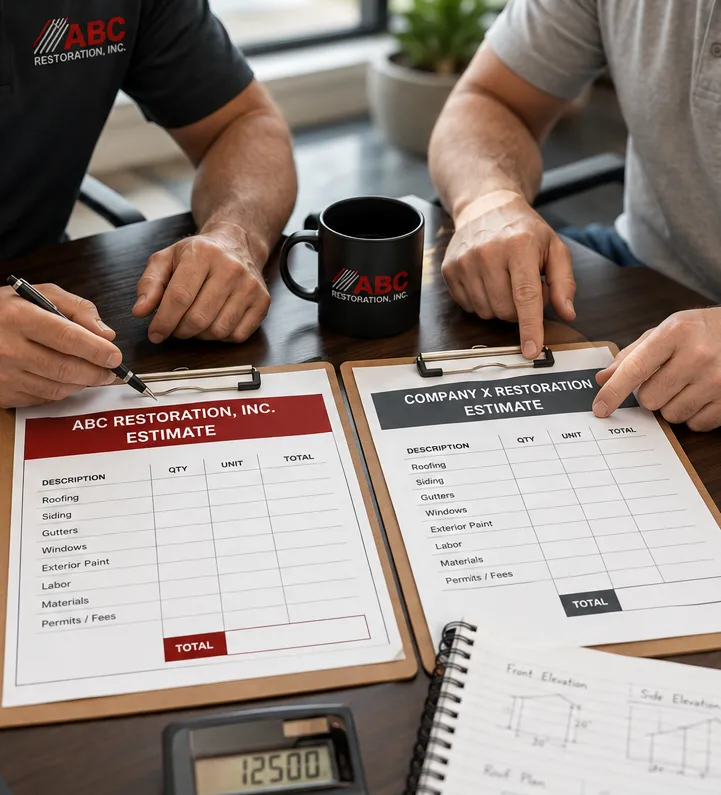
Contractor Estimate Comparison
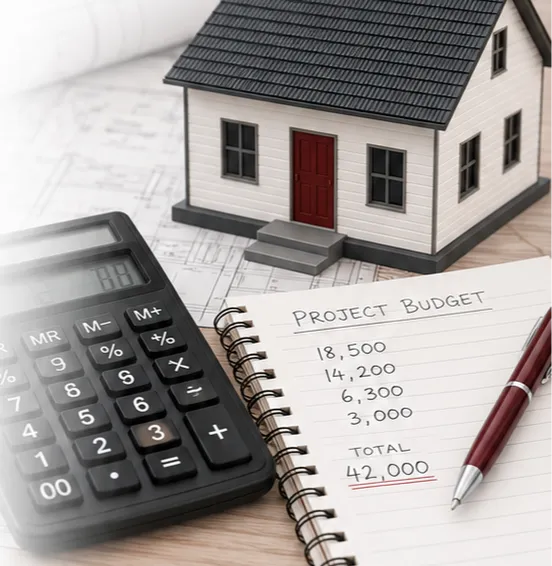
Home Project Budget
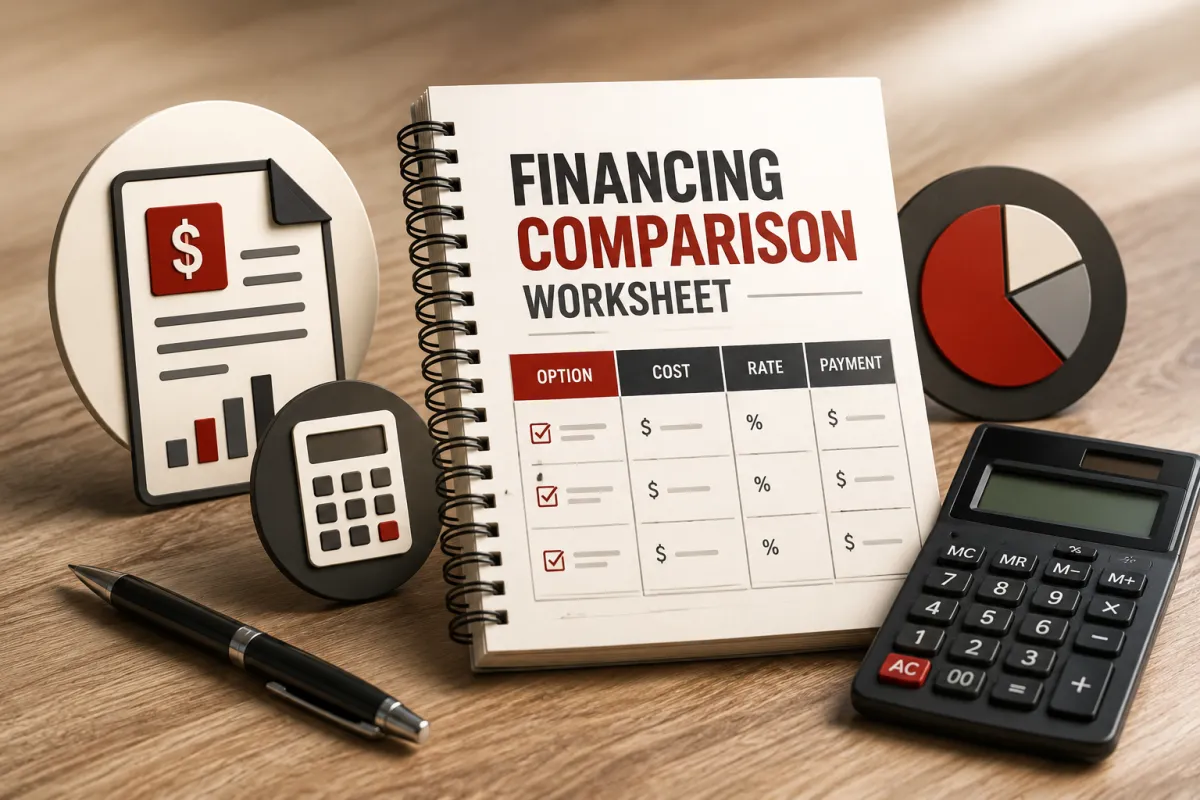
Finance Comparison
~ Explore Additional Volumes & Resources ~




~ Explore Learning Paths~



Trusted Education

Practical Guidance

Informed Decisions

FOLLOW US


COMPANY
Resource Center
Contact Us
Copyright . . All Rights Reserved.